“Black mold” is not actually a species of mold. It is a color description, and dozens of common molds can look black on a wall or a vent. The one people fear, Stachybotrys chartarum, is real but far less common than the internet suggests, and the honest answer most Houston homeowners need is this: the color of the growth matters much less than how much of it there is, what is feeding it water, and whether your AC system is spreading it. Here is what black mold actually is, how the types differ, and how to tell mold from plain dirt before you pay anyone to remove either one.
Is black mold actually a type of mold?
No. Mold species are identified under a microscope or by lab culture, not by color. The growth on a bathroom ceiling or around a supply vent that looks black is most often Cladosporium (dark olive to black, extremely common in Houston bathrooms and on air vents) or Aspergillus niger (truly black, common on damp walls). Stachybotrys chartarum, the species the phrase “toxic black mold” refers to, typically looks dark greenish black with a wet or slimy sheen, grows in flat patches rather than fuzzy spots, and favors paper-faced drywall and other cellulose materials that have stayed soaked for a long time. It is a slow grower that usually loses the race to faster molds unless the material stays wet for a week or more, which is why it shows up after slow leaks and unrepaired water damage rather than everyday humidity. The practical takeaway: you cannot identify a species by eye, and as we cover below, you rarely need to.
Allergenic, pathogenic, toxigenic: the three groups that matter
Professionals group molds by how they affect people rather than by color.
- Allergenic molds are the everyday ones: Cladosporium, Alternaria, Penicillium, and most Aspergillus species. Their spores trigger congestion, itchy eyes, coughing, and asthma flare-ups in sensitive people. These are the molds behind most Houston complaints, because they thrive on nothing more than our humidity and a little dust.
- Pathogenic molds can cause infection in people with weakened immune systems. Aspergillus fumigatus is the common example. For healthy adults they behave like allergenic molds, but in a home with an immunocompromised resident, an infant, or an elderly family member, they raise the stakes.
- Toxigenic molds are capable of producing mycotoxins, which are chemical compounds, not the mold itself. Stachybotrys is the famous one. Worth knowing: “capable of producing” is doing real work in that sentence, because toxin production depends on conditions, and the research linking household Stachybotrys exposure to severe illness is less settled than the headlines imply. Health agencies land in a sensible place: you do not need to know whether a mold is toxigenic to know it should not be growing in your house.
What makes each kind grow
All molds need the same three things: moisture, something organic to eat, and time. The difference is in the dose. Allergenic molds are opportunists that bloom on ordinary dampness: shower humidity, condensation on cold vents and ducts, indoor humidity that sits above 60 percent because an oversized AC cools the air without drying it. Toxigenic species like Stachybotrys need more commitment: cellulose materials such as drywall paper, ceiling tile, or insulation backing that stay saturated for days to weeks. That is why a sweaty bathroom ceiling usually grows Cladosporium while the wall behind a slow plumbing leak grows something worse. In both cases the mold is a symptom. The moisture is the disease, and in Houston the usual suspects are AC condensation, roof and plumbing leaks, and flood history that was dried too slowly.
Mold or just dirt? How to tell before you panic
Plenty of dark marks on walls and vents are not mold at all. A few field tests our techs use:
- Mold grows in circles. Dirt smears in lines. A mold colony starts from a spore and expands outward, so you see roughly circular spots, often a cluster of dots that merge into a blotch with speckled or fuzzy edges. Dirt, soot, and scuffs follow the direction of contact or airflow and have hard, linear edges.
- Watch it over a week. Mold is alive. If the mark is larger in seven days, it is growing. Dirt stays put.
- Dark streaks radiating from a supply vent are often not mold. That pattern is usually “ghosting”: dust and soot particles deposited along airflow paths and cool framing lines. It is a dirty-duct and filtration signal rather than a mold colony, though the two problems happily coexist.
- Trust your nose. An earthy, musty odor that keeps returning means something is alive and off-gassing, even if you cannot see it.
When the eye test is ambiguous and the stakes are real, a professional mold inspection with lab sampling settles it definitively, including which species you have, if that matters for your household’s health situation.
Is removal different for different molds? Generally, no
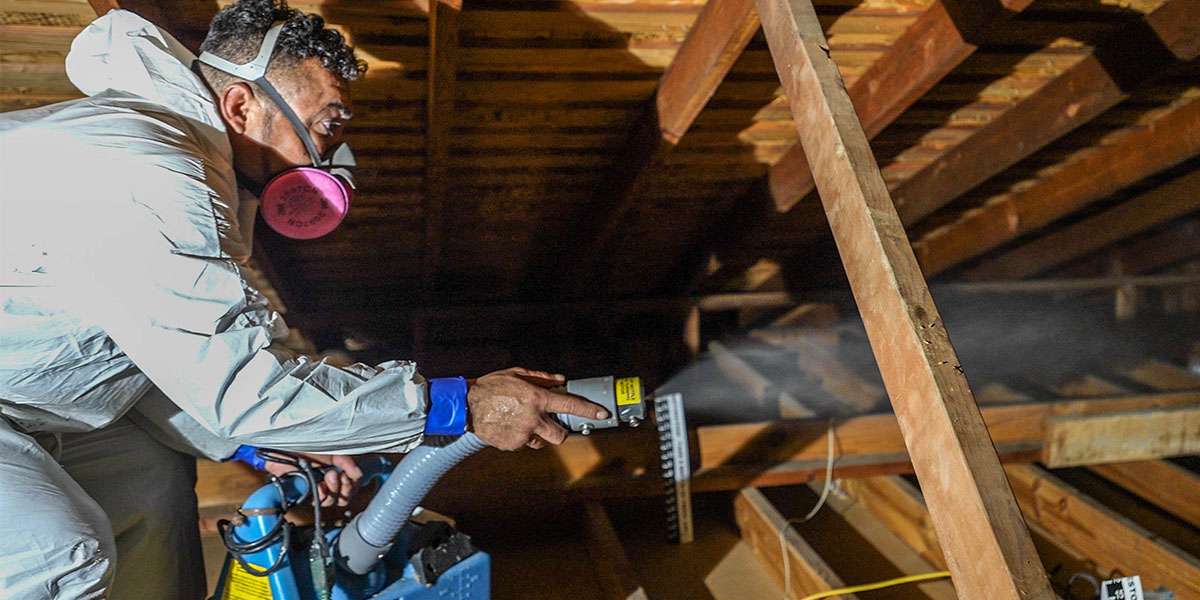
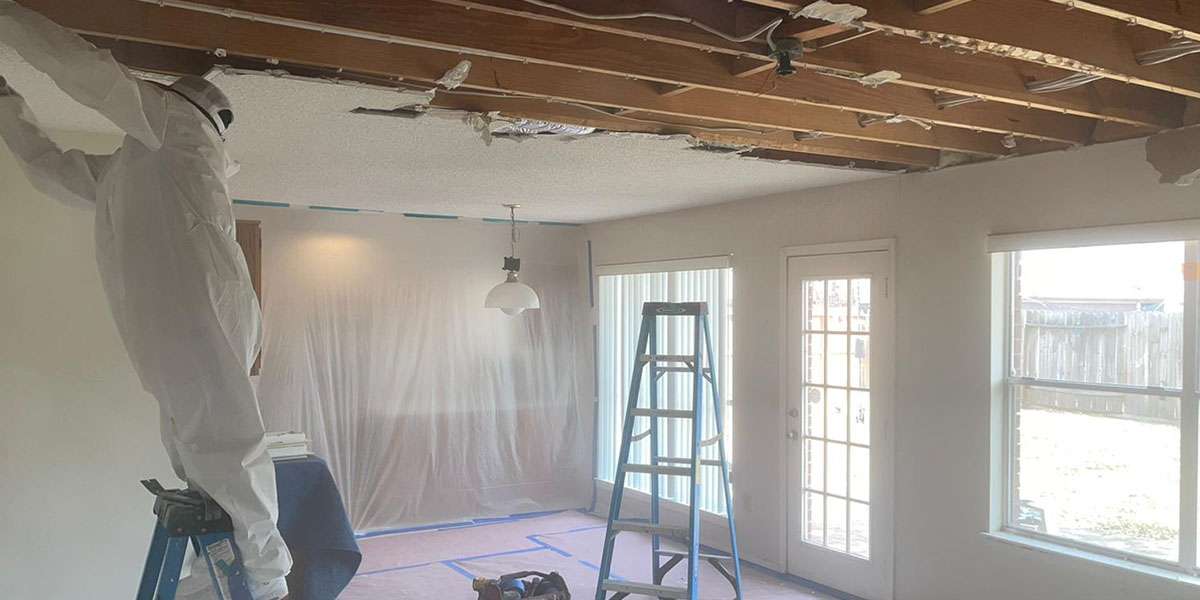
Here is the part most “toxic black mold” marketing skips: remediation methods are driven by the size of the affected area and the materials involved, not the species. The EPA’s remediation guidance scales containment and protective equipment by contaminated surface area, and the steps are the same regardless of what the lab would call the growth: fix the moisture source first, contain the work area under negative air pressure with HEPA filtration, physically remove contamination rather than just killing it (dead mold still provokes reactions, which is also why the EPA does not recommend bleach as a routine remediation practice), discard porous materials that cannot be cleaned, and dry everything before rebuilding. Species can change the urgency and the caution level, especially with vulnerable occupants, but it does not change the playbook. So if a contractor quotes you a premium “because it’s toxic black mold,” ask them what they would do differently. The correct answer is usually: nothing.
When the mold is in the AC system
The one factor that genuinely changes the job is whether growth has reached your HVAC system. Ducts, coils, and air handlers sit in a humid, dusty environment, and the blower moves air through the whole house many times an hour, so a contaminated system can reseed every room you just cleaned. If you suspect the system is involved, shut it off until it is inspected. Cleaning and verification for HVAC work follow the NADCA ACR standard, including maintained negative pressure during cleaning and measured post-cleaning verification. This overlap of mold work and duct work is our home turf: see HVAC mold removal for how it is done.
Choosing a removal company in Houston
Reviews and quotes help, but these questions reveal more:
- Do you hold a current Texas mold remediation license? Texas requires one for growth over 25 contiguous square feet, through TDLR. Air Quality Express holds license #RCO1553.
- Will I get a written plan covering the moisture fix, containment, and protective equipment, not just “treatment”?
- Is the final clearance test done by an independent licensed assessor? Texas separates assessment from remediation on protocol jobs so nobody grades their own work, and a passed clearance is what earns the state’s Certificate of Mold Damage Remediation, a document that matters at resale.
- Will the HVAC system be evaluated if it might be involved?
- What exactly happens to the moisture source, and when?
What drives the price is scope, not species. Our guide to mold remediation cost in Houston breaks down the real scenario ranges, and the duct-side hiring checklist covers the HVAC half.
The bottom line for Houston homeowners
“Black mold” is a color, not a diagnosis. Most of what Houston homeowners find is common allergenic mold feeding on our humidity, the scary species needs long-term water damage to take hold, and every kind gets removed the same way: fix the water, contain the area, remove the growth, verify the result. If you are looking at a dark mark and are not sure which story it is telling, send us a photo or book an inspection. Air Quality Express has handled licensed mold remediation and the HVAC side of the problem across Greater Houston for more than a decade, and we will tell you honestly when a mark is just dirt.