
Start With the Remediation Expert
Mold Inspection
Mold Reality Check
Understand Your Options
When homeowners search for mold inspection, what they really want is clarity. They want to know whether the problem is real, how serious it is, and what needs to happen next. In Texas, that process involves two different licenses. A Mold Assessment Consultant performs formal testing and writes protocols for regulated jobs. A Mold Remediation Company performs the actual containment, removal, and cleaning. We are licensed as a Mold Remediation Company, which means we are the company that fixes the problem. In many situations, the smartest first step is not testing. It is having a licensed remediation company evaluate what is actually happening. We inspect the conditions, identify likely moisture sources, and explain whether testing is required, optional, or unnecessary. Our focus is helping you take the correct next step, not sending you down a more expensive path than you need.
Get A Quote today!
When Mold
Inspection Matters
Testing Sometimes Not Always
Some mold situations require formal assessment and testing. Others do not. If mold covers a larger regulated area, insurance is involved, or clearance documentation is required, a Mold Assessment Consultant must perform testing and write a protocol before remediation begins. That is Texas law. But many real-world situations are more straightforward. HVAC mold removal, isolated drywall tear-outs, visible growth from a known leak. In these cases, the source and solution are often clear. Testing may confirm what is already obvious, but it does not change what needs to be done. The key is understanding which category your situation falls into before you spend money in the wrong order.
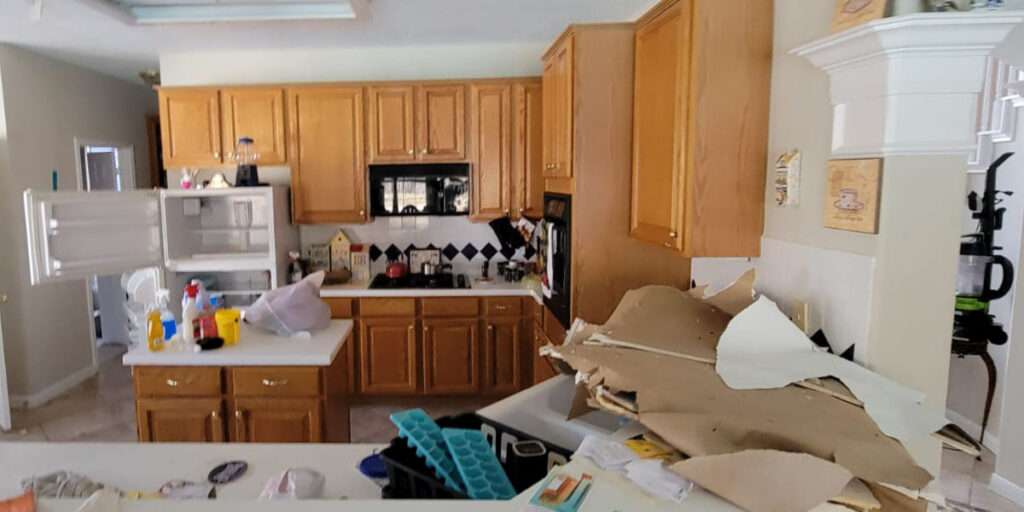
Initial Mold Evaluation
We evaluate visible mold growth, moisture sources, and affected materials to determine what type of response is appropriate.
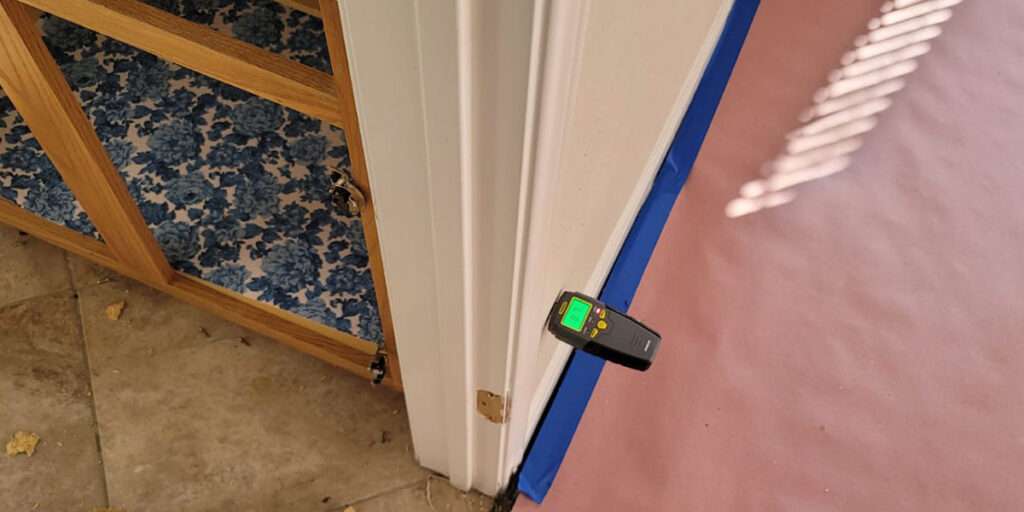
Guidance on Mold Testing
We explain when formal testing by a Mold Assessment Consultant is legally required and when it may not provide additional value.
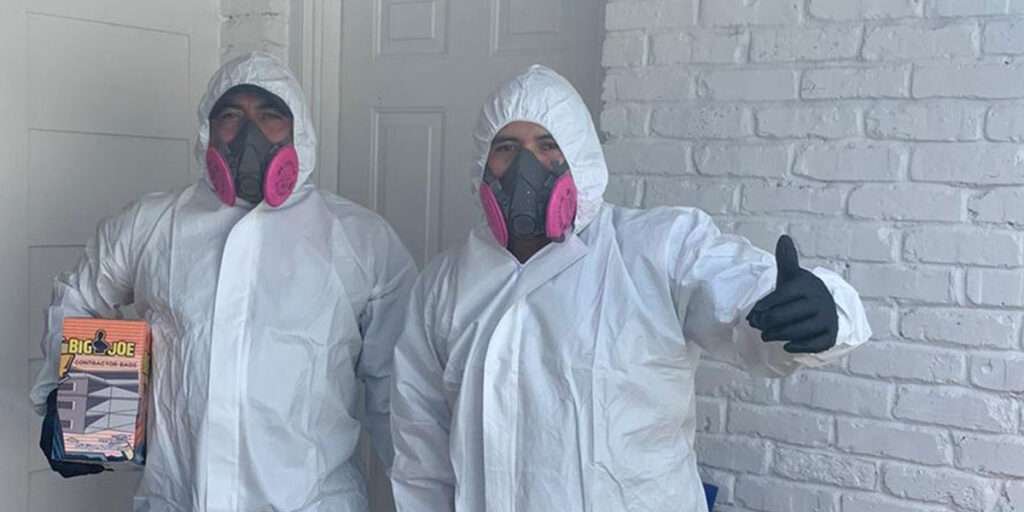
Protocol Coordination
If a regulated job requires a written protocol, we can coordinate with a licensed Mold Assessment Consultant to ensure remediation follows the required steps.
Clear Next Steps
Every inspection ends with a clear explanation of what needs to happen next, whether that involves remediation, testing, or simple moisture correction.
Quick Answers
Frequently Asked Questions About Mold Inspection
Do you perform mold testing?
No. In Texas, mold testing and protocol writing must be performed by a licensed Mold Assessment Consultant. We are licensed as a Mold Remediation Company (Texas license #RCO1553), which means we perform the remediation work itself. That includes air quality testing for mold, the air samples most people have in mind when they search for it. What we do is evaluate visible growth, moisture sources, and affected materials, then tell you plainly whether a consultant’s testing is actually needed. When it is, we coordinate with an independent licensed consultant so the testing and the work line up.
Should I start with testing or remediation?
In many cases, starting with a licensed remediation company helps determine whether testing is necessary at all. Some situations require formal testing. Others do not. A licensed consultant’s assessment and written protocol are required when the affected area is 25 contiguous square feet or more, and testing is usually worth it when insurance is involved, when the source is hidden, or when you need clearance documentation. For a small, visible problem with an obvious cause, like a leak under a sink, paying for lab results first often delays the fix without changing it. A quick evaluation sorts out which situation you are in.
What is a mold protocol?
A protocol is a written document created by a Mold Assessment Consultant outlining how remediation must be performed on larger regulated jobs. It spells out which areas get contained, which materials come out, how the work area is cleaned, and what the area has to meet to pass the final clearance test. In Texas these rules are set by the Texas Department of Licensing and Regulation, and the consultant who writes the protocol cannot be the same company that does the removal, so nobody grades their own work. After a passed clearance, the homeowner receives a Certificate of Mold Damage Remediation, which is useful when you sell the home. Learn how protocol jobs run on our mold remediation page.
Can mold be removed without testing?
Yes, in many common residential situations where the source and extent of mold are clearly visible, remediation can proceed without formal testing. EPA guidance says the same thing: when mold growth is visible, sampling is usually unnecessary, and there are no federal limits for indoor mold to test against. What matters is correcting the moisture that caused the growth and removing it correctly. Mold on the coil, in the air handler, or inside the ductwork is a common example, and our HVAC mold removal service handles it directly.
What is the difference between a mold inspection and mold testing?
A mold inspection answers where the mold is and why it is there. It is a hands-on look at the home: visible growth, water stains, musty areas, and the moisture source behind them, such as a roof leak, a sweating duct, or a slow plumbing leak. Mold testing answers what kind of mold is present and how much, using air or surface samples sent to a lab. Testing is useful for hidden problems, insurance claims, and clearance after a regulated job, but it cannot find a leak or fix one. In most homes the inspection is the step that leads to a real answer, and testing is added when the situation calls for it. Not sure which you need? Reach out and we will tell you.
Are DIY mold test kits accurate?
They usually tell you something you already know. Mold spores are present in nearly every home and outdoors, so a test plate left open on a counter will almost always grow something, and the kit cannot tell you where the mold is coming from or whether the level is unusual for your home. A positive result is not proof of a mold problem, and a negative one does not rule out growth hidden in a wall or the air handler. If you are worried enough to buy a kit, a better first step is to look for moisture: water stains, peeling paint, swollen baseboards, or a musty smell when the AC runs. Our guide to the signs of mold in your house covers what to look for.
How do you find mold hidden inside walls?
Hidden mold almost always follows hidden moisture, so the search starts there. Most Houston homes sit on concrete slabs rather than basements, which means the usual hiding spots are the walls behind showers and under windows, the cabinets under kitchen and bathroom sinks, the air handler closet, and the attic above. Inspectors look for staining, swelling, soft drywall, and musty odors, and tools like moisture meters and thermal cameras help confirm wet areas behind the surface without tearing anything open. When the evidence points to growth inside a wall, opening a small section is often the only way to know for sure, and that should be done under containment so spores are not spread through the house. That containment is a standard part of our mold remediation work.
Should I get a mold inspection when buying a home in Houston?
It is worth considering, especially for a home with any flood history, which is common across the Houston area. A standard home inspection will note visible water damage and suspected growth, but unless the inspector also holds a Texas mold assessment license, the report is not a mold assessment. If the inspection flags staining, a musty smell, or past water in the HVAC closet or attic, ask the seller about prior flooding and repairs, and have the affected areas looked at before you close. If mold remediation was done in the past, ask for the Certificate of Mold Damage Remediation, which shows the work passed clearance. Buying a home with a mold question? Contact us to set up an evaluation.
Is it safe to stay in a house with mold?
For most healthy people, a small patch of mold is not an emergency, but it should not be ignored, because growth keeps spreading as long as the moisture behind it continues. The CDC notes that people with allergies, asthma, or a weakened immune system tend to be more sensitive to mold, so act sooner if anyone in the home fits that description, and talk with a doctor if symptoms seem tied to the house. Avoid scrubbing, sanding, or spraying larger areas yourself, because disturbing growth releases spores into the air. Mold can start on wet materials within 24 to 48 hours, so fixing the water source quickly matters as much as the cleanup. When the area is more than a small patch, professional mold remediation is the safer route.
Mold Remediation
When mold is confirmed, remediation removes contaminated materials and corrects the moisture conditions that allowed growth.
- Licensed containment and removal
- Moisture source correction
- Post-remediation cleaning
Consultant Support
For regulated projects, we work alongside licensed Mold Assessment Consultants to follow written protocols.
- Compliance with Texas mold regulations
- Proper documentation
- Clearance testing coordination
HVAC Mold Situations
Mold inside duct systems often does not require separate testing when contamination is clearly visible.
- Removal of contaminated components
- System-level moisture correction
- Prevention of recurring growth
Mold Cleaning
Isolated drywall or surface growth often does not require formal assessment before remediation.
- Targeted containment
- Controlled removal
- Safe disposal and cleanup