The cost to remove and replace attic insulation in Houston comes down to five things: the size of the attic, what kind of insulation is up there now and how deep it is, whether it is contaminated, how hard the attic is to work in, and what goes back in afterward. A straightforward blown-in top-up, a full remove-and-replace, and a rodent-contaminated cleanout are three very different projects, which is why honest companies quote from an attic inspection rather than a square-foot price over the phone. Here is how to know which project your attic actually is, and what drives the number on each.
First question: does the old insulation actually need to come out?
Often it does not, and you should be suspicious of anyone who leads with full removal. If the existing insulation is dry, clean, and simply too thin, the right move is usually to air-seal and add more on top. Removal earns its cost in specific situations:
- Animal contamination. Rodents, raccoons, or birds have left droppings, urine, nesting material, or carcasses in the insulation. This is the most common reason we pull insulation in Houston.
- Water or smoke damage. Insulation that has been soaked by a roof leak or AC condensate loses its insulating value, holds moisture against the framing, and can feed mold. Smoke odor from a fire embeds in it permanently.
- Mold on or under the insulation, usually tracking a leak or chronic condensation above the ceiling.
- Degraded or failed material. Decades-old batts that have compressed, crumbled, or slid out of position, leaving bare spots that make the whole layer underperform.
- Renovation access. Electricians, duct replacements, and structural work sometimes require a clear deck.
If none of those apply, a top-up costs a fraction of a replacement and gets you most of the energy benefit. We tell homeowners that plainly, because an insulation install over a healthy base is a better deal for you than a removal you did not need.
The rodent problem is its own category
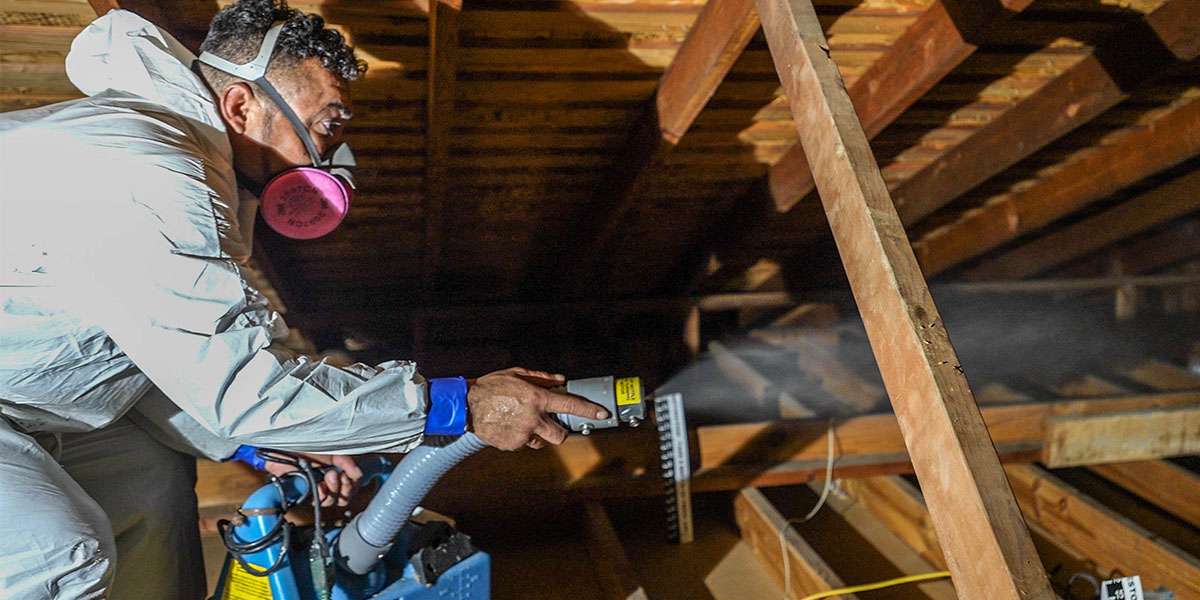
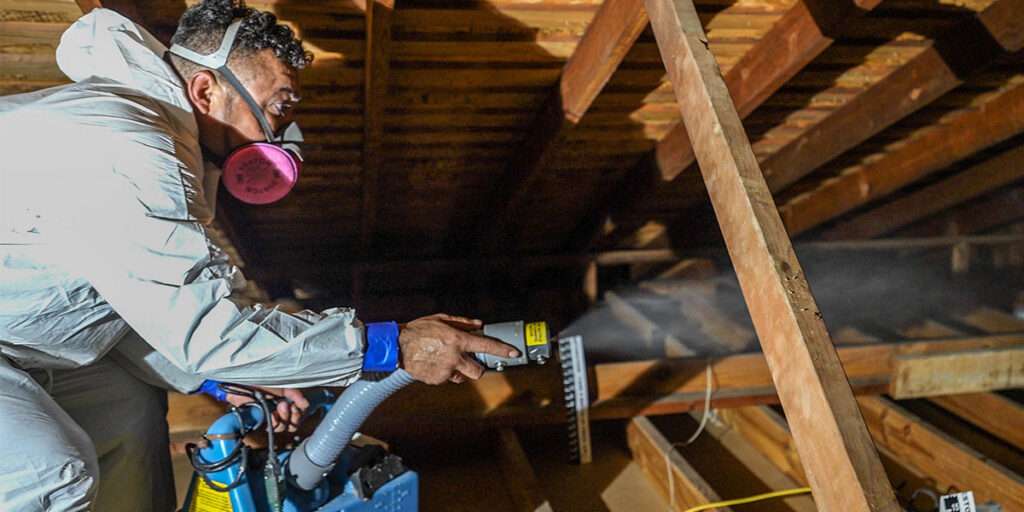
Houston attics are warm, dry, and quiet, which makes them prime real estate for roof rats and raccoons. Once animals have lived in insulation, adding new material on top seals the problem in: droppings and urine keep off-gassing odor, the scent advertises the attic to the next animals, and disturbed droppings can carry pathogens. A proper contaminated-insulation job runs in a set order: the entry points get found and sealed first, because removal without exclusion is a subscription. Then the insulation comes out by HEPA-filtered vacuum and sealed bags rather than loose handling, the deck and framing get sanitized and deodorized, and only then does new insulation go in. If you hear scratching at night or see droppings along the attic framing, start with an attic cleaning and assessment before anyone quotes you an insulation number.
What Houston heat does to your options
A Houston attic spends summer afternoons at 140 degrees or more, and that shapes the decision in two ways. First, it punishes thin insulation: the ceiling becomes a radiator over every room, your AC runs longer, and the upstairs never quite cools. Houston sits in one of the mildest climate zones on the federal map, and the Department of Energy’s guidance for our zone still calls for attic insulation in the R-38 range, which is roughly 10 to 14 inches of blown-in material. Most older Houston homes we open up are carrying half that or less. Second, the attic is where your ductwork lives. Insulation work is the one time the whole duct system is exposed and reachable, which makes it the cheapest possible moment to fix crushed runs, resail loose connections, or deal with duct problems you have been putting off. We routinely pair duct cleaning and repair with insulation projects for exactly that reason, and if there is mold in the system, HVAC mold removal happens before new insulation goes anywhere near it.
Blown-in, batts, or spray foam?
What goes back in changes both the price and the performance:
- Blown-in fiberglass or cellulose is the workhorse for Houston attics: it fills irregular joist bays and odd corners evenly, installs quickly, and delivers the most R-value per dollar. This is what most remove-and-replace projects get.
- Fiberglass batts make sense for simple, accessible rectangular attics and for anyone who wants a walkable, movable layer, but they underperform their rating when cut poorly around wiring and framing, which is the most common installation sin we see.
- Spray foam deserves a straight answer: Air Quality Express does not install it, and in Houston we generally recommend against it. That is not a knock on the product everywhere, it is what we see as a mold remediation company. Foam bonds permanently to the roof deck, so when a roof leak happens, and in Houston the question is when, the water travels behind the foam where nobody can see it, and removing cured foam to inspect and treat the wood underneath is a genuine nightmare of a job. Worse, our heat and humidity can develop moisture and mold problems at the roof deck even without a leak event when the ventilation design is not perfect. We get called to clean up after spray foam; we do not want to sell you into that position. Blown-in is what we install, and it is what we recommend for almost every Houston attic: it performs, it costs a fraction as much, and when something goes wrong above it, you can see it, move it, and fix it.
What actually drives your quote
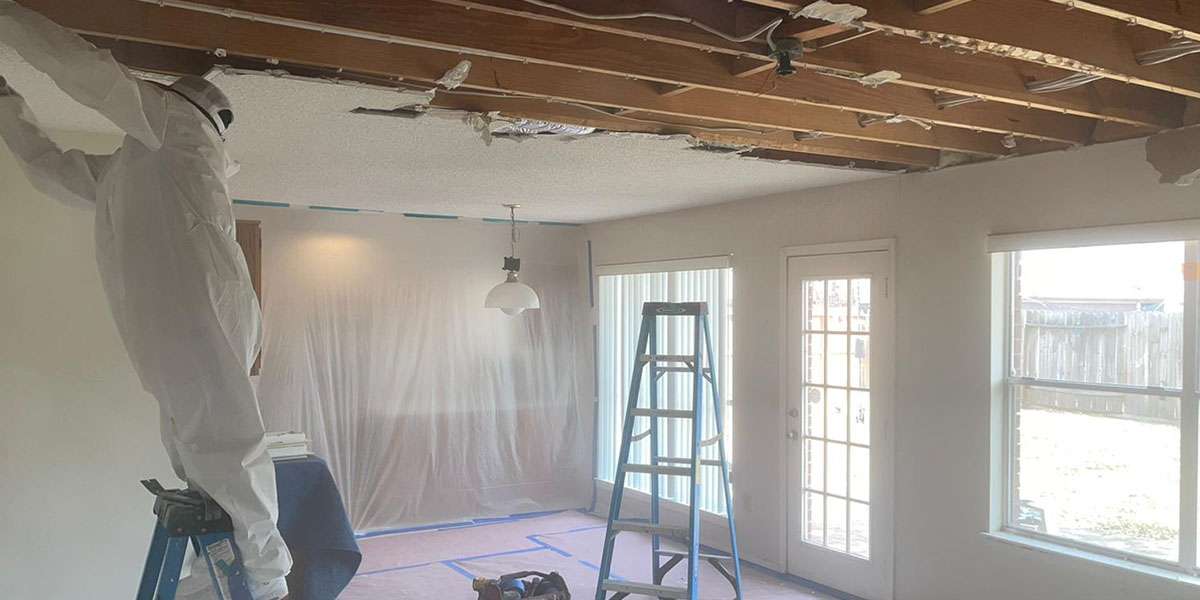
When we price a removal and replacement, these are the levers: total square footage and how deep the old material is (that is the volume being vacuumed, bagged, and hauled), contamination level (clean removal versus sanitize-and-deodorize are different labor classes), attic access and pitch (a walkable attic with pull-down stairs goes faster than a tight hip roof over a garage), air-sealing and prep work before the new material, and the new insulation type and target R-value. Anyone quoting a single flat number without seeing those five things is guessing, and the guess usually gets corrected in their favor later. An in-person attic assessment pins all five down, and you get the top-up-versus-replace answer honestly at the same visit.
How the job runs when it is done right
A clean remove-and-replace follows the same arc every time: inspection and moisture check first, exclusion work if animals were involved, old material out by HEPA vacuum into sealed bags, deck sanitized where contamination calls for it, air-sealing of the ceiling plane (the step most skipped and the one that pays for itself fastest), ducts inspected while everything is reachable, then new insulation installed to the target depth with baffles keeping the soffit vents breathing. You should get photos of the empty deck and a depth measurement at completion, so you can see what you paid for.
Get the real number for your attic
Every attic in Houston is carrying a different history: some just need a top-up, some are hiding a rodent problem, and some are one roof leak away from a mold job. Air Quality Express handles insulation removal, installation, and attic cleaning across Greater Houston with the duct and air-quality side under the same roof. Reach out for an attic assessment and we will tell you which project you actually have, including when the honest answer is the cheaper one.