
Understanding the Right First Step
Mold Services
Two Licenses, Two Roles
Texas Mold Rules
Mold problems do not all require the same response. In Texas, mold work is regulated by license. A Mold Assessment Consultant performs formal testing and writes protocols for larger jobs. A Mold Remediation Company performs the containment, removal, and cleaning. We are licensed as a Mold Remediation Company, which means we are the company that fixes mold problems at the source.
In many real-world situations, the smartest first move is having a licensed remediation company evaluate the conditions. Some projects legally require third-party testing and written protocols through mold inspection and assessment. Others are straightforward and can be resolved without adding unnecessary cost or delay. Our mold remediation services focus on guiding you through the correct steps in the correct order.
Get A Quote today!
What It Means
When Mold Service Is Necessary
Mold issues usually follow moisture. A roof leak, plumbing failure, HVAC condensation, or elevated attic humidity can create the conditions for growth. In some homes, contamination is limited and clearly visible. In others, it has spread inside wall cavities, insulation, or duct systems. The response depends on the size of the affected area, whether testing is required, and whether materials can be cleaned or must be removed.
Proper evaluation determines whether remediation, HVAC-specific removal through air duct services, inspection coordination, or water damage restoration is the appropriate path.
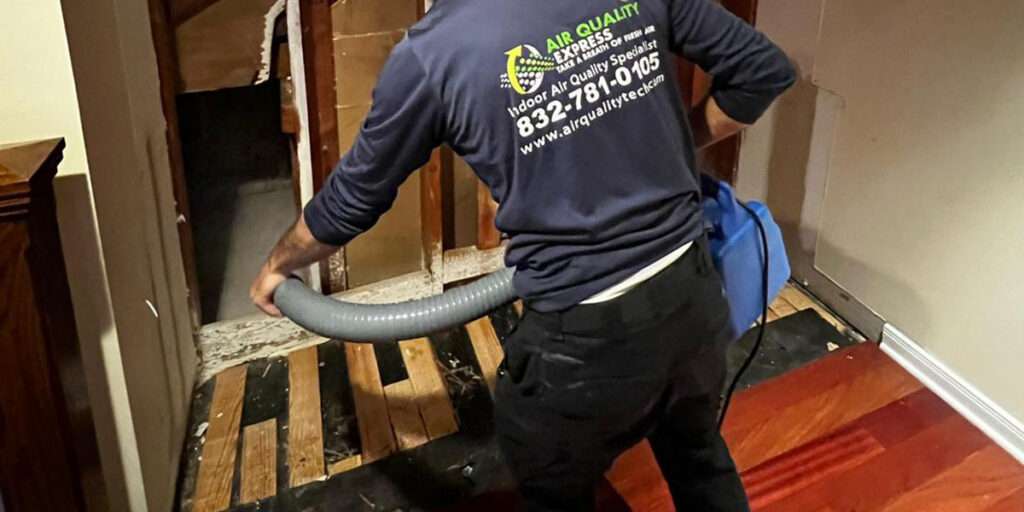
HVAC Mold Removal
Mold inside HVAC systems requires careful containment and system-level correction.
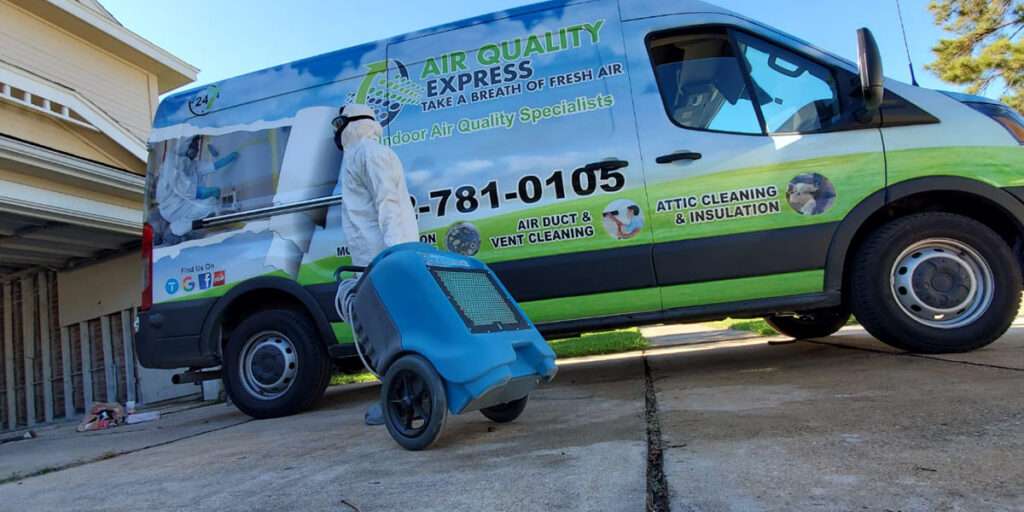
Mold Remediation
Licensed containment, removal, and cleaning of mold-contaminated materials.
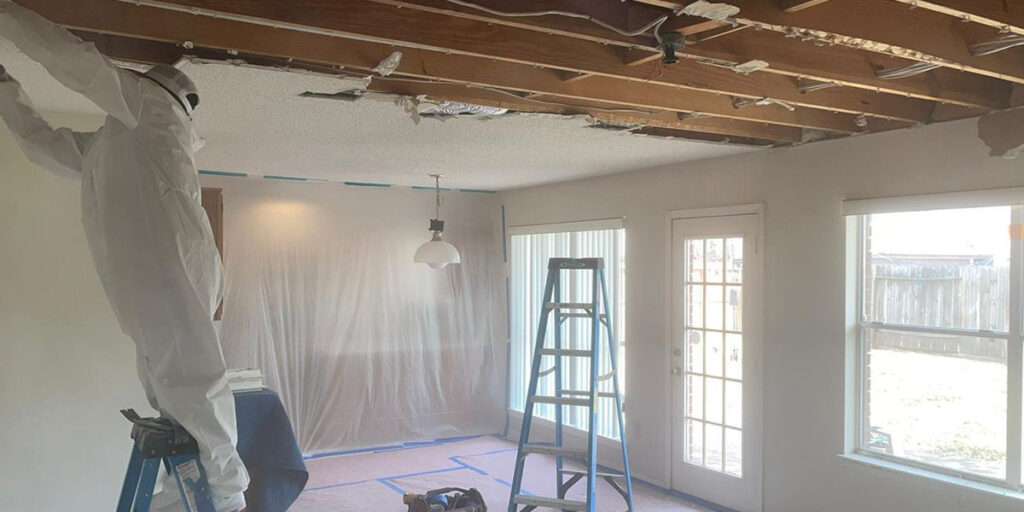
Mold Inspection
Evaluation of mold conditions and guidance on whether testing or protocols are required.
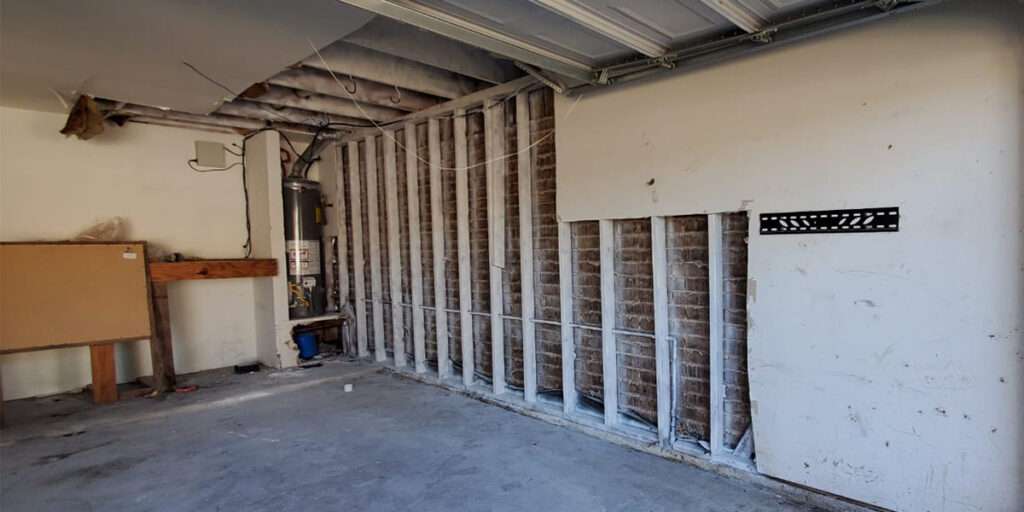
Quick Answers
Frequently Asked Questions About Mold Services
Do you perform mold testing?
We are licensed as a Mold Remediation Company. Formal testing and protocol writing are performed by a licensed Mold Assessment Consultant when required by Texas law.
Should I start with testing or remediation?
Many situations are best evaluated by a remediation professional first. We can determine whether testing is necessary or whether the solution is already clear.
What is a mold protocol?
A protocol is a written document created by a Mold Assessment Consultant outlining how remediation must be performed on regulated projects.
Does water damage always lead to mold?
Not always, but unresolved moisture significantly increases the risk. Addressing the water source is critical to preventing recurrence.
HVAC Mold Removal
HVAC mold removal targets contamination inside air handling systems where mold can spread through circulation.
- Containment within the HVAC system during mold remediation
- Removal of contaminated components
- Correction of moisture intrusion points often connected to attic conditions
Mold Remediation
Mold remediation focuses on containing, removing, and cleaning mold contamination while correcting the moisture conditions that allow it to grow and spread.
- Controlled containment procedures during mold remediation
- Safe material removal and disposal
- Surface cleaning and stabilization following proper mold service protocols
Mold Inspection
Mold inspection determines the scope of contamination and the appropriate next step.
- On-site evaluation by mold service professionals
- Guidance on testing requirements
- Coordination with licensed assessment consultants when needed
Water Damage Restoration
Water damage restoration tops the moisture source that fuels mold growth.
- Drying and dehumidification as part of water damage restoration
- Removal of water-damaged materials
- Prevention-focused corrective measures that reduce the likelihood of future mold remediation