
Stop the Moisture First
Water Damage Restoration
Water Always Leaves a Mark
Drying Is Only the Beginning
Water damage is rarely just about what you can see. A burst line, roof leak, overflow, or storm intrusion soaks more than drywall. Moisture travels. It moves into insulation, framing, subfloors, and cavities where airflow is limited. If that moisture is not properly removed, mold follows. Water damage restoration is the process of removing water, drying affected materials, and identifying what cannot be saved. It is also about finding out how the water entered in the first place. If the source is not corrected, drying alone will not protect the structure. We provide water damage restoration across Houston with technicians who understand how moisture behaves inside a building. We evaluate the full affected area, not just the obvious surface damage, and explain what needs to be dried, removed, or repaired.
Get A Quote today!
What It
Looks Like
When Water Damage Restoration Is Necessary
Water damage is not always dramatic. Sometimes it is soft drywall. Swollen baseboards. Flooring that begins to lift. A ceiling stain that slowly spreads. Other times it is obvious standing water after a storm or plumbing failure. The real concern is how long the materials have remained wet. The longer moisture stays inside a structure, the more likely mold growth becomes. In Houston’s humidity, that timeline can be shorter than most homeowners expect. Restoration is required when materials have absorbed water beyond what normal drying can handle or when structural components are holding moisture inside.
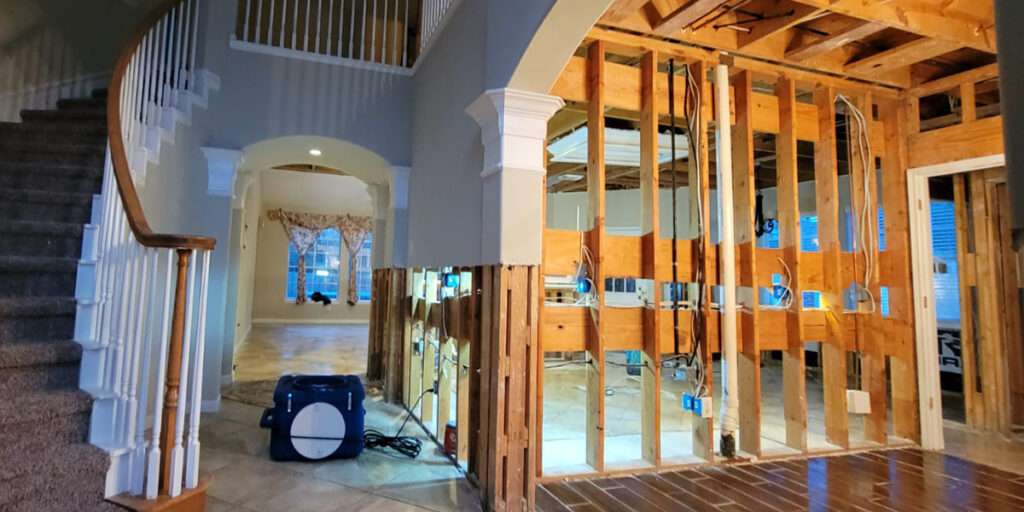
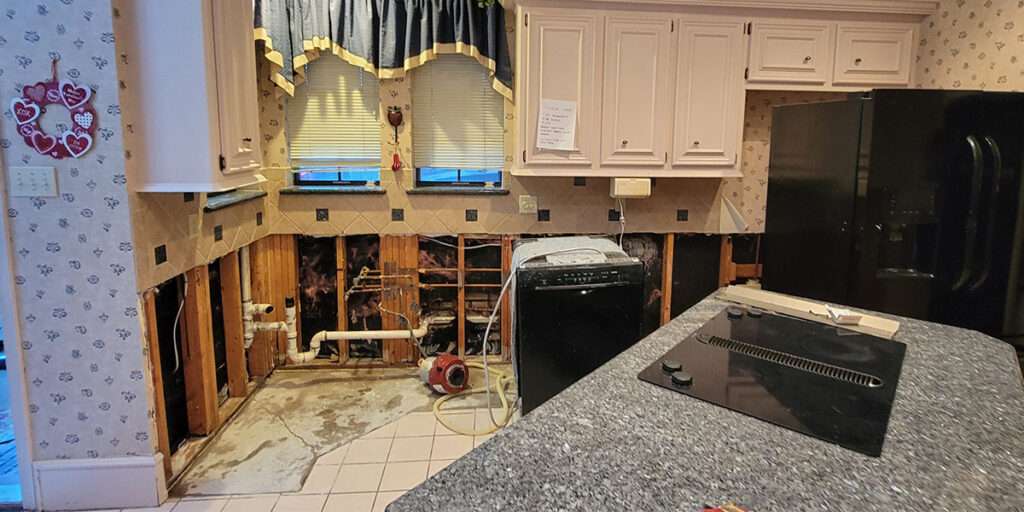
Structural Drying
Moisture trapped inside walls, flooring, and framing requires controlled drying that reaches beyond surface materials.
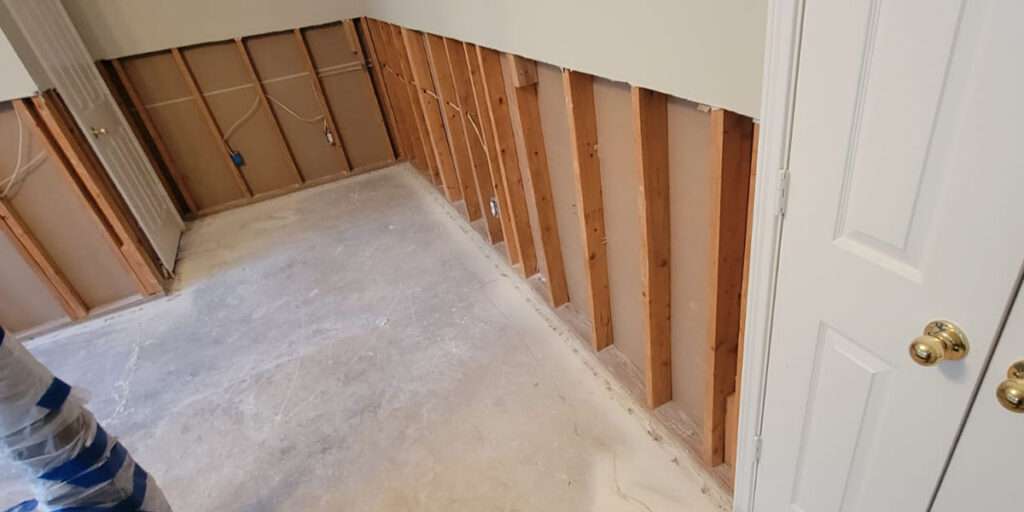
Material Removal
Some materials cannot recover once saturated and must be removed to prevent mold development.
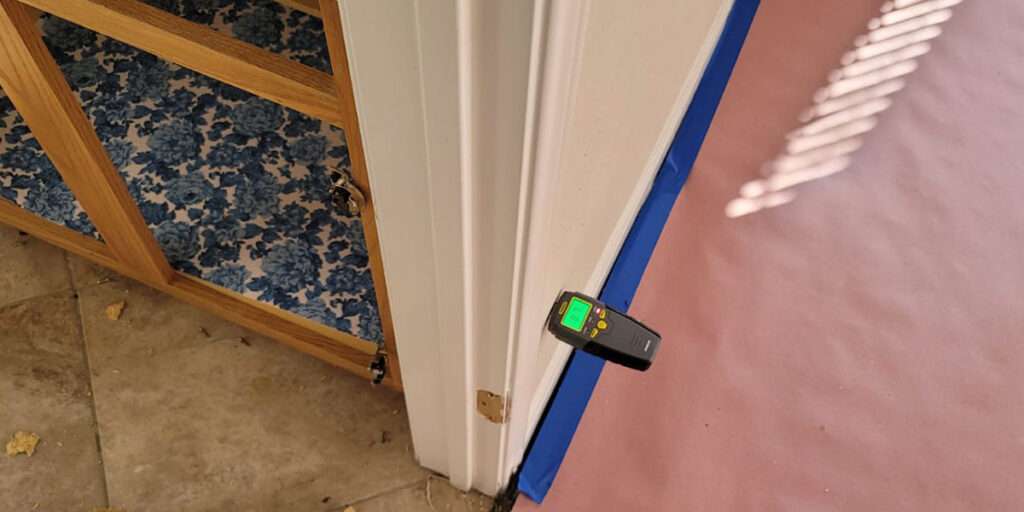
Moisture Source Identification
The origin of the intrusion must be located and corrected to prevent repeat damage.
Quick Answers
Frequently Asked Questions About Water Damage Restoration
Do you work with insurance?
Yes. We use the same estimating software utilized by insurance carriers to prepare documentation and restoration estimates.
How soon should water damage be addressed?
Immediately. The longer materials remain wet, the greater the risk of mold growth and structural deterioration.
Will everything need to be replaced?
Not always. Some materials can be dried successfully. Others, especially porous materials, may need removal. Inspection determines the difference.
Does water damage always lead to mold?
If moisture remains inside building materials, mold can begin developing quickly, especially in humid climates.
Do you also handle mold if it has already started?
Yes. As a licensed Mold Remediation Company, we are equipped to address mold contamination if it develops following water damage.
Water Extraction
Removes standing water before it spreads further into structural components.
- Rapid removal of pooled water
- Reduction of secondary damage
- Immediate stabilization of affected areas
Controlled Drying
Drying must reach inside materials, not just the surface.
- Strategic placement of air movers to direct airflow across wet materials
- Commercial-grade dehumidifiers to extract moisture from the air and structure
- Moisture mapping and ongoing monitoring to track progress
- Targeted drying inside wall cavities, subfloors, and framing components
Selective Demolition
Saturated materials that cannot be restored must be removed.
- Targeted drywall and insulation removal
- Protection of unaffected areas
- Preparation for repair
Prevention Evaluation
Restoration is not complete without addressing cause.
- Identification of leak or intrusion source
- Recommendations for corrective action
- Steps to reduce future moisture risk