If your allergies flare up at home — sneezing fits in the living room, itchy eyes at night, congestion that eases the moment you leave the house — your HVAC system deserves a hard look. The air in your home passes through your ductwork many times a day, and whatever has collected inside gets redistributed into every room each time the blower kicks on.
Houston makes this worse than almost anywhere else. Long pollen seasons, year-round humidity, and air conditioners that run eight or nine months straight create the perfect setup for dust, allergens, and microbial growth to accumulate inside the system itself. This guide covers what actually builds up in your ducts, how it feeds an allergy cycle, what an allergy-focused air duct cleaning should include, and — honestly — when cleaning will help and when it won’t.
Why Houston Homes Are Hard on Allergy Sufferers
Houston stacks three problems on top of each other. First, the pollen calendar barely takes a break: oak and other tree pollens in spring, grasses through summer, ragweed in fall, and cedar in winter. Second, humidity keeps indoor moisture high, which sustains dust mites and supports mold growth inside air handlers, on coils, and in drain pans. Third, the cooling season is so long that your ducts move enormous volumes of air annually — every pass an opportunity to pull contaminants in and push them back out.
Many Houston-area systems also run ductwork through hot attics, where duct leaks can draw in insulation fibers, attic dust, and whatever else lives up there, feeding it directly into your supply air.
What Actually Builds Up Inside Your Air Ducts
Dust Mites, Skin Cells, and Pet Dander
Household dust is largely skin cells, fabric fiber, and — in homes with pets — dander. Dust mites feed on it, and their waste is one of the most common indoor allergy triggers. Return ducts pull this material in continuously; over the years, it settles in duct runs, on coils, and around the blower.
Pollen
Pollen rides in on clothes, shoes, pets, and open doors, then gets picked up by return airflow. Once inside the duct system, it can keep circulating long after the outdoor season that produced it has ended — one reason “seasonal” allergies in Houston sometimes never seem to end.
Mold Spores and Microbial Growth
The evaporator coil and drain pan are wet by design, and in Houston’s humidity that moisture can support microbial growth on and around HVAC components and inside lined ductwork. A system with mold in it doesn’t just hold allergens — it produces them, releasing spores into the airstream every time it runs. If you suspect this, growth inside the unit is a distinct problem from ordinary dust, and it’s what our HVAC mold removal service exists for.
Insulation Fibers and Attic Debris
Leaky return ducts in attic spaces can pull in fiberglass particles, attic dust, and pest debris. If your attic has a history of rodent activity or degraded insulation, that material may be entering your air system — sometimes the fix involves attic cleaning or insulation removal alongside the ducts.
How Dirty Ducts Feed the Allergy Cycle
Your filter only protects what’s downstream of it. Contamination already past the filter — in supply ducts, on the coil, in the blower housing — gets pushed into your rooms with every cycle. You dust and vacuum, the system redeposits a fresh layer, your symptoms persist, and the cycle repeats. This is why homes that are cleaned constantly can still feel dusty, and why allergy symptoms that improve when you leave the house point back to the air system.
Signs Your HVAC System Is Making Allergies Worse
Watch for symptoms that are worse indoors than out, or that spike when the AC starts up. Dust that returns to surfaces within a day or two of cleaning, visible dust buildup or dark streaks around supply registers, a musty odor when the system runs, and family members whose symptoms improve when they travel are all signals worth taking seriously. None of them is proof by itself — which is why the right first step is a documented inspection, not a phone quote.
What an Allergy-Focused Duct Cleaning Should Include
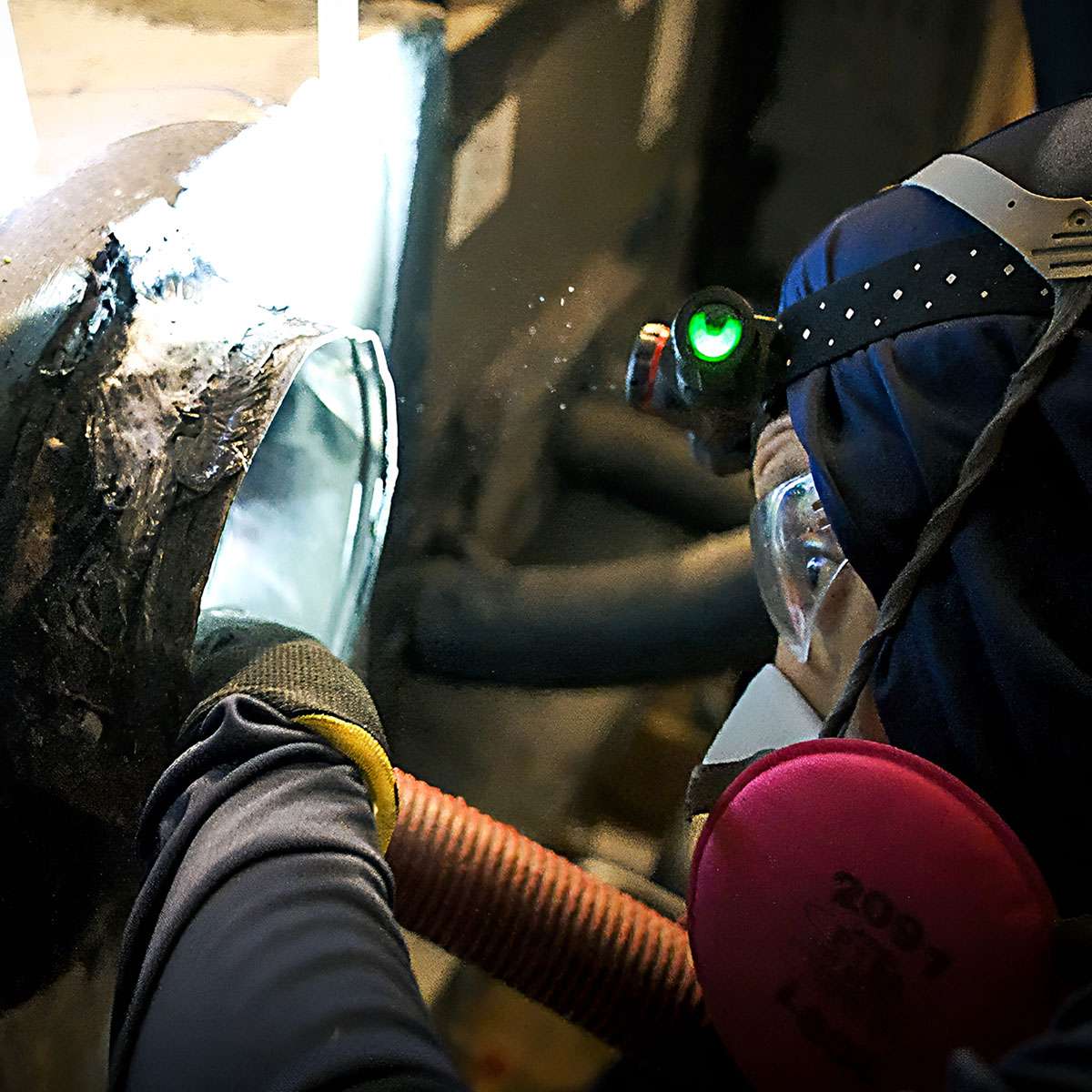
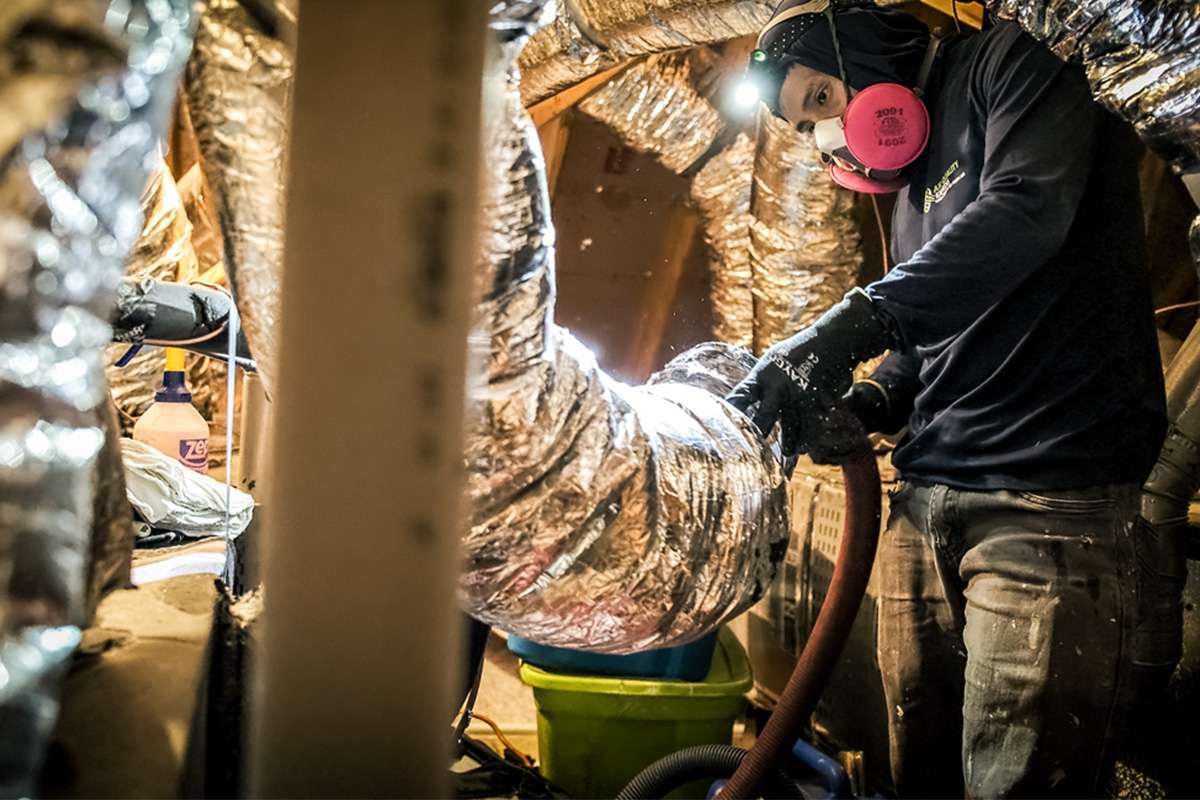
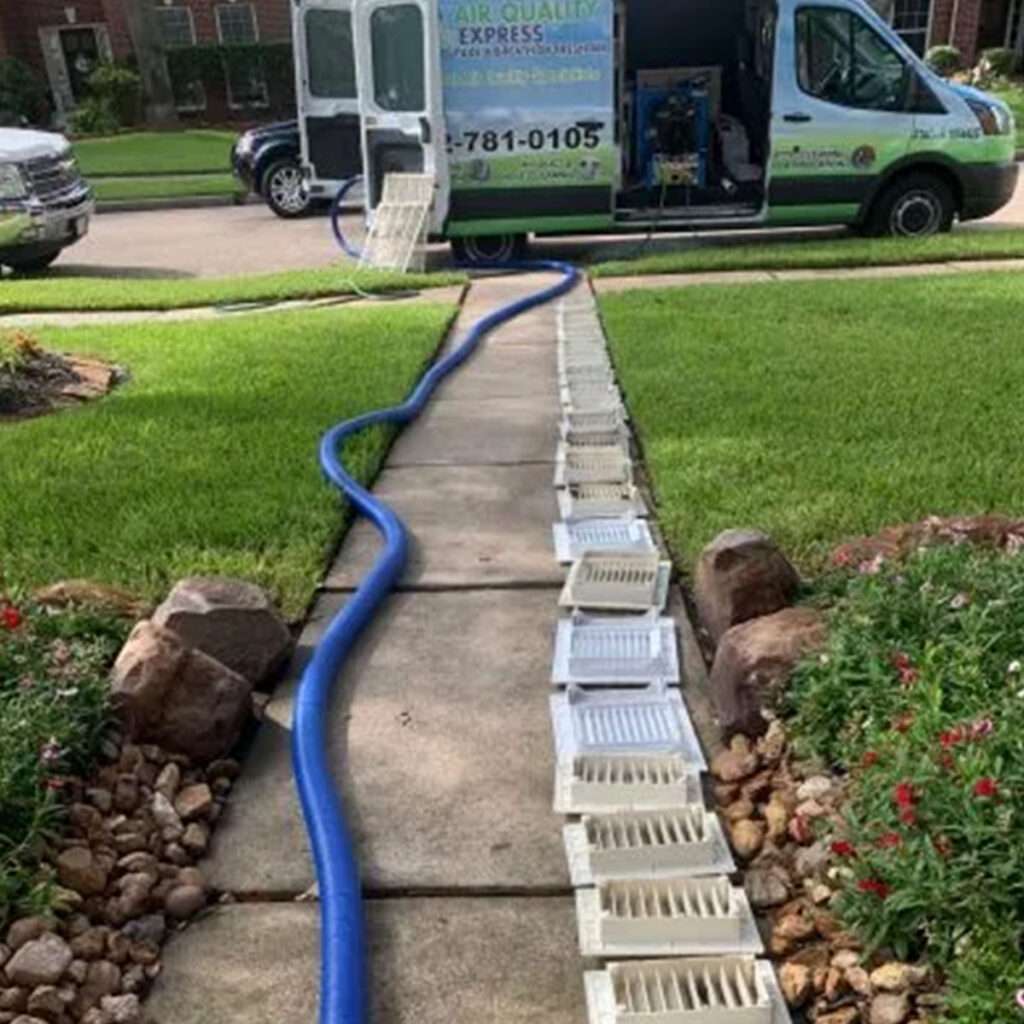
Not all duct cleaning is equal, and for allergy sufferers the differences matter more. A properly done job follows NADCA source-removal methodology: mechanical agitation to dislodge debris, paired with continuous negative-pressure collection through HEPA-filtered equipment so dislodged contaminants are captured rather than blasted into your living space. That last part is critical for allergy households — a sloppy cleaning can temporarily make the air worse.
The scope should cover the whole system, not just the duct runs you can see: air handler, evaporator coil, blower compartment, drain pan, supply and return ducts, and registers. Partial cleaning lets the skipped sections recontaminate the cleaned ones. If moisture or microbial growth is found, the moisture source — a clogged condensate drain, coil condensation, duct leaks — needs to be identified and corrected, or the problem returns. And you should receive before-and-after photos and a written summary of what was found and done.
When Cleaning Helps — and When You Need More
Straightforward dust, dander, and pollen loading is exactly what mechanical cleaning solves. But if the inspection finds microbial growth, the job may extend further: contaminated lined duct and duct board can often be HEPA-vacuumed, treated with an EPA-registered antimicrobial, and encapsulated; when insulation is deeply saturated or structurally degraded, air duct replacement for those sections is the better call. If growth extends beyond the air system into surrounding building materials, licensed mold remediation may be required under Texas rules. Our mold technicians make those determinations during inspection, with photo documentation — not over the phone.
Realistic Expectations for Allergy Relief
Honesty matters here: duct cleaning reduces the allergen load your system recirculates — it does not cure allergies, and it can’t stop new pollen from entering the house. What most allergy households notice after a thorough cleaning is less settling dust, less odor, and a home that no longer feels stuffy when the system runs. Pairing the cleaning with a quality filter (ask your technician what MERV rating your system can handle without choking airflow), regular filter changes, and humidity control gives the best sustained results.
What It Costs in Houston
Realistic pricing for duct and HVAC system cleaning in Houston runs $300–$2,100 per AC unit depending on scope. A first-time, full-system cleaning typically starts around $1,125 per unit — it covers the air handler, coil, drain pan, and all ductwork, which is what an allergy-focused job requires. Maintenance cleanings on previously serviced systems cost less, while confirmed mold with antimicrobial treatment pushes toward the upper end (our Houston duct cleaning pricing guide breaks the numbers down further). Be wary of “$99 whole-house specials” — a legitimate full-system cleaning cannot be done at that price, and for an allergy household a partial job is money wasted.
Frequently Asked Questions
Does Air Duct Cleaning Actually Help With Allergies?
It reduces the reservoir of dust, dander, pollen, and spores your HVAC recirculates, which many allergy sufferers feel as fewer indoor symptoms and less settling dust. It is not a medical treatment, and results depend on what was actually in the system — which is why inspection with photo evidence comes first.
How Often Should Allergy Sufferers Clean Their Ducts?
There is no fixed schedule. After a thorough first cleaning, most Houston homes do well with periodic inspections and cleaning when conditions warrant it — sooner if you have multiple pets, recent renovations, attic work, or a system with a history of moisture problems.
Can Mold in My AC Cause Allergy Symptoms?
Yes. Microbial growth on the coil, in the drain pan, or inside lined ducts releases spores directly into the airstream. A musty smell that strengthens when the AC runs is the classic sign — that calls for an HVAC mold inspection, not just a standard cleaning.
Will the Cleaning Itself Stir Up Allergens?
Not when done correctly. Negative-pressure HEPA collection captures dislodged debris at the source. This is exactly the question to ask any company you’re vetting — if they can’t explain their containment method, keep looking. Our guide to hiring a duct cleaning company in Houston has the full 7-point checklist.
What Filter Should I Use After a Cleaning?
The highest MERV rating your system can handle without restricting airflow — for many residential systems that’s MERV 8–13, but it depends on your equipment. Your technician can tell you during the visit. Changing it on schedule matters more than chasing the highest number.
Allergy-Focused Duct Cleaning Across Greater Houston
Air Quality Express provides whole-system air duct cleaning, HVAC mold removal, and indoor air quality services for allergy-conscious households throughout the Houston area. Service areas include The Woodlands, Spring, Conroe, Tomball, Magnolia, Cypress, Katy, Sugar Land, Richmond, Missouri City, League City, Pearland, and Central Houston.
Schedule an Allergy-Focused Duct Inspection in Houston
If allergies are worse at home than anywhere else, stop treating the symptoms and inspect the system moving your air. Air Quality Express follows NADCA source-removal standards and holds Texas Mold Remediation Contractor License #RCO1553 — so whether your ducts hold ordinary dust or something growing, the same team can diagnose it, document it, and fix it.
Contact Air Quality Express through the contact page to schedule an inspection, or explore our full range of Houston indoor air quality services. You’ll get a written, itemized scope with photo evidence before any work begins.