Home renovations can make your house feel newer, cleaner, and more comfortable, but they can also leave behind a hidden indoor air problem: construction dust inside your HVAC system. Drywall dust, sawdust, insulation particles, flooring debris, and other fine materials can move through the air during remodeling and settle inside vents, returns, ductwork, coils, and other parts of the system.
That is why air duct cleaning after renovation is an important step for many Houston homeowners. Even after floors are mopped, counters are wiped down, and furniture is moved back into place, dust may continue circulating every time the AC turns on. If your home still feels dusty after a remodel, your ductwork may be part of the problem.
Why Air Duct Cleaning Matters After a Home Renovation
Renovation dust is not the same as normal household dust. It is often finer, heavier, and more concentrated because it comes from sanding, cutting, demolition, installation, and finish work. During a remodel, that dust can travel through the home and enter the HVAC system through open vents, return grilles, air leaks, and normal system operation.
In Houston, where air conditioning systems run heavily for much of the year, anything inside the duct system can be pulled through returns and pushed back into living areas. Professional air duct services help remove hidden buildup so the home is not only clean on the surface, but cleaner through the system that moves air from room to room.
How Construction Dust Gets Into Your Air Ducts
Construction dust can enter the duct system in several ways during remodeling. Even when the project is handled carefully, dust can spread quickly if the HVAC system is running or vents are left uncovered.
Drywall Sanding and Cutting
Drywall dust is one of the most common sources of post-renovation duct contamination. It is extremely fine and can float through the air, settle inside vents, and collect inside return ducts. If the HVAC system runs during sanding, the dust can be pulled directly into the system.
Flooring, Tile, and Cabinet Installation
Cutting wood, tile, trim, cabinets, and flooring materials can release sawdust, mineral dust, adhesive particles, and other debris. Some of this settles on visible surfaces, but smaller particles can move into duct openings and return grilles.
Painting, Caulking, and Finish Work
Painting and finish work can leave behind fine residue, odors, and airborne particles. While these materials may not always be visible, they can add to the overall buildup inside the air system after renovation.
Open Vents During Remodeling
If supply vents and return grilles are not covered during construction, dust can enter the ductwork more easily. This is especially common during projects that involve ceilings, walls, floors, or attic access.
HVAC Use During Construction
Running the AC or heat during a renovation can spread dust throughout the house. The system pulls air from the home through return ducts and redistributes it through supply ducts. If the air contains construction dust, the system can circulate that dust into rooms that were not even part of the remodel.
Common Types of Renovation Debris Found in Air Ducts
After a renovation, the debris inside the HVAC system may include more than everyday dust. Depending on the type of project, your ductwork may contain several types of construction-related material.
Drywall Dust
Drywall dust is powdery and lightweight, making it one of the easiest materials for the HVAC system to move. It can settle inside ductwork, around vent covers, near returns, and on internal HVAC components.
Sawdust and Wood Particles
Cabinet work, framing, trim installation, and flooring projects can create sawdust that collects near vents and inside duct openings. Over time, this debris can contribute to dust buildup and stale airflow.
Insulation Fibers
If the renovation involved attic access, ceiling work, HVAC repairs, or insulation changes, insulation fibers may enter the air system. In these cases, attic cleaning or insulation removal may also need to be considered.
Paint, Primer, and Finish Residue
Paint and primer residue can contribute to lingering odors and poor indoor air quality. If the house smells dusty, stale, or chemical-like after renovation, the HVAC system should be inspected as part of the cleanup process.
Dirt, Pollen, and Outdoor Debris
Renovations often involve open doors, contractor traffic, material deliveries, and outdoor air entering the home. In Houston’s humid climate, that added debris can settle into the air system and make the home feel dusty even after normal cleaning.
Can Construction Dust Damage Your HVAC System?
Construction dust can do more than make the house feel dirty. When enough debris enters the HVAC system, it can affect airflow, system cleanliness, odor, and overall comfort.
Dust Can Restrict Airflow
Dust buildup inside ducts, vents, returns, and filters can reduce airflow. When air does not move properly, some rooms may feel uncomfortable, airflow may feel weaker, and the system may need to run longer to reach the desired temperature.
Fine Particles Can Build Up on HVAC Components
Fine renovation dust can collect on coils, blower components, plenums, and other parts of the HVAC system. When these areas become dirty, the system may not move air as efficiently as it should.
Dirty Ducts Can Make the System Work Harder
If dust and debris collect throughout the system, your HVAC equipment may have to work harder to move air through the home. That can lead to uneven comfort, longer run times, and additional strain on the system.
Dust Buildup Can Contribute to Odors
A dusty or stale smell after renovation may be caused by debris inside the ductwork. A musty smell may point to moisture or microbial growth, especially in humid homes or systems with condensation issues.
Contaminants Can Keep Circulating
The biggest frustration for many homeowners is that the home still feels dusty after repeated cleaning. If construction debris is inside the air ducts, surface cleaning alone may not solve the problem.
Signs You Need Air Duct Cleaning After Renovation
Not every small project requires full duct cleaning, but larger remodeling projects often create enough dust to justify an inspection. Watch for these signs after construction is complete.
Your Home Still Feels Dusty After Cleaning
If dust keeps returning to furniture, floors, and countertops shortly after cleaning, the HVAC system may be redistributing particles from inside the ductwork.
Dust Appears Around Vents and Registers
Visible dust around supply vents or return grilles can be a sign that debris has collected in or near the air system. This is common after drywall, flooring, attic, or cabinet work.
Your AC Smells Dusty or Musty
A dusty smell may indicate construction debris inside the system. A musty smell may suggest moisture or mold concerns. If mold is suspected, Air Quality Express also provides HVAC mold removal, mold inspection, and mold remediation services.
Allergy or Respiratory Symptoms Feel Worse Indoors
Renovation dust can irritate sensitive occupants, especially when fine particles continue circulating through the home. If symptoms feel worse indoors after a remodel, the duct system may need to be evaluated.
Airflow Feels Weaker Than Before the Renovation
Weak airflow may be caused by clogged filters, blocked vents, dirty components, duct issues, or buildup inside the system. A professional inspection can help determine whether cleaning or another service is needed.
The HVAC System Ran During Construction
If the AC or heat operated while sanding, demolition, cutting, or installation work was underway, there is a higher chance that dust entered the duct system.
When Should You Schedule Air Duct Cleaning After Remodeling?
The best time to schedule air duct cleaning is usually after the major dust-producing work is complete. Cleaning too early can allow new dust to enter the system while construction is still happening.
After Major Drywall, Flooring, or Cabinet Work
Drywall, flooring, cabinetry, trim, and tile projects can create large amounts of fine debris. Once cutting, sanding, and installation are finished, duct cleaning can help remove what entered the system.
After Attic, Insulation, or Ceiling Repairs
Attic-related work can affect indoor air quality because dust, insulation fibers, and debris may move into the HVAC system or living space. Air Quality Express provides attic services and insulation installation when attic conditions are part of the issue.
Before Moving Furniture Back Into the Space
If possible, schedule duct cleaning before fully resetting the home. This helps reduce dust circulation before furniture, rugs, bedding, and décor are placed back into the renovated area.
Before Heavy HVAC Use
In Houston, AC use is often unavoidable. Still, cleaning the system before heavy seasonal use can help reduce the amount of renovation dust circulating through the home.
Air Duct Cleaning vs. Full HVAC System Cleaning After Renovation
After renovation, some homeowners only wipe down visible vent covers. While that can help with surface dust, it may not address contamination deeper inside the duct system or HVAC equipment.
Why Cleaning Only the Vents May Not Be Enough
Registers and vent covers are only the most visible part of the air system. Dust can also collect inside supply ducts, return ducts, plenums, coils, and other hidden areas. Professional cleaning is often more effective because it addresses the full airflow path.
The Importance of Cleaning Returns and Ductwork
Return ducts pull air back into the HVAC system. If they collect construction dust, that debris can continue cycling through the system. Supply ducts then push conditioned air back into the home. Cleaning both sides of the system helps reduce the amount of dust being recirculated.
When Coil Cleaning May Be Recommended
If fine dust reaches the evaporator coil or other HVAC components, coil cleaning may be recommended to help restore cleaner airflow and better system performance. A technician can evaluate whether this is necessary based on the condition of the system.
When Mold Inspection or HVAC Mold Removal May Be Needed
Renovation dust and humidity can create indoor air concerns, but visible mold, recurring musty odors, or moisture issues require a different level of attention. If mold is suspected, Air Quality Express can inspect the system and recommend whether mold-related service is needed.
Why Houston Homeowners Should Be Especially Careful After Renovation
Houston homes face unique indoor air quality challenges because of heat, humidity, long cooling seasons, attic conditions, and moisture exposure. After renovation, those conditions can make dust and HVAC contamination more noticeable.
Humidity Can Make Dust Problems Worse
Humidity can cause dust to cling to surfaces and may make the home feel heavier or less fresh. If renovation dust settles inside the HVAC system, frequent AC use can keep moving that dust through the home.
Moisture Can Contribute to Musty Odors
Musty odors after renovation should not be ignored. While dust may be the cause, moisture and mold should also be considered, especially if the smell is strongest when the AC turns on.
Older Homes May Have Existing Duct Buildup
Many Houston-area homes already have years of dust, attic debris, duct leakage, or insulation concerns before renovation begins. Remodeling can add another layer of contamination to a system that may already need cleaning.
Attic Heat and Insulation Debris Can Affect Indoor Air Quality
Because many HVAC systems and ducts run through attic spaces, attic conditions can affect the air moving through the home. If a remodel involved ceiling work, attic access, insulation, or HVAC changes, the attic should be considered during the inspection.
What to Expect From Professional Post-Renovation Air Duct Cleaning
A professional post-renovation duct cleaning should focus on the actual condition of the system, not a one-size-fits-all service. Air Quality Express evaluates the home and recommends the right scope based on what is found.
Full HVAC System Inspection
The process should begin with an inspection of the system, including vents, returns, ductwork, and accessible HVAC components. This helps determine whether the issue is limited to dust or whether there are signs of moisture, mold, attic debris, or damaged ductwork.
Vent and Register Cleaning
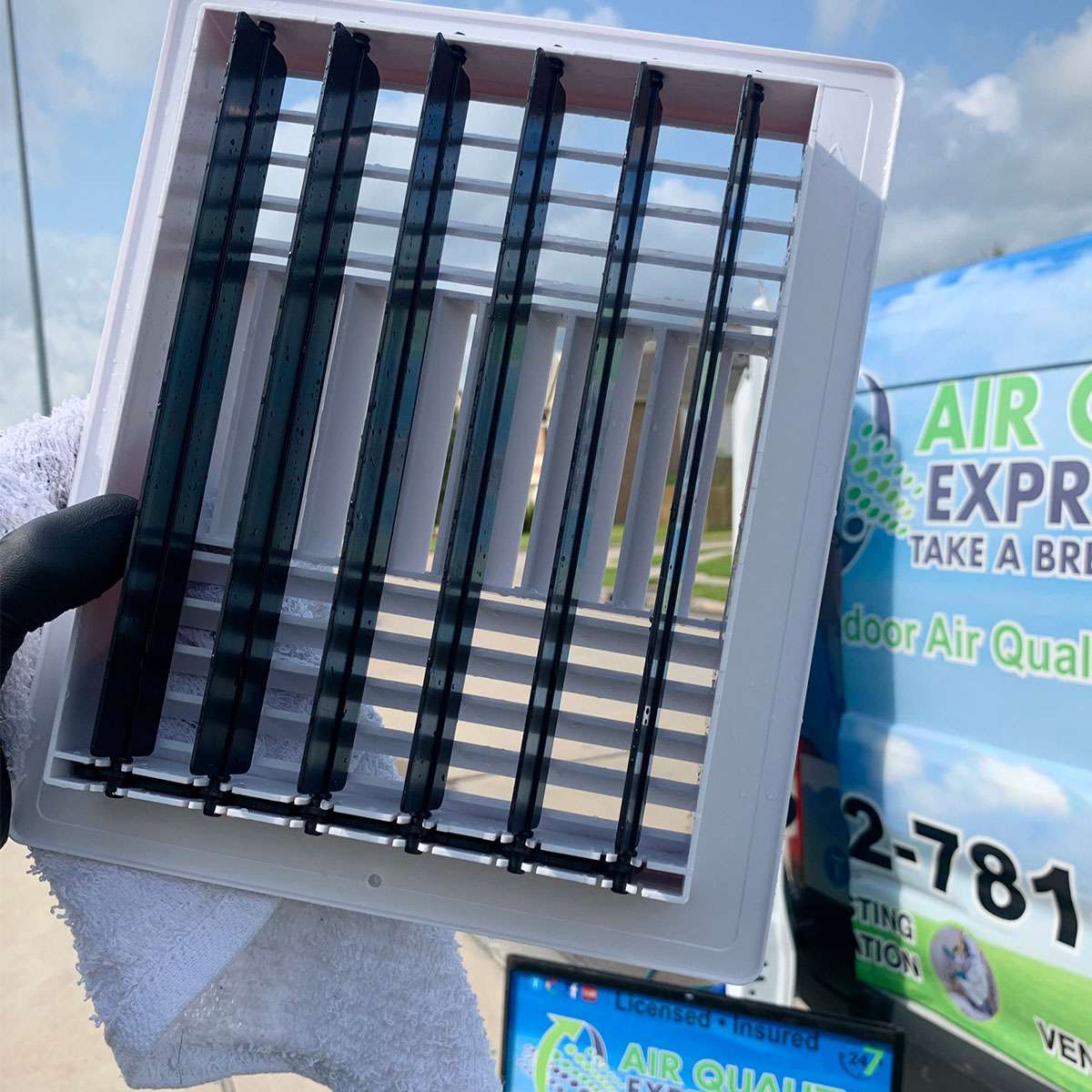
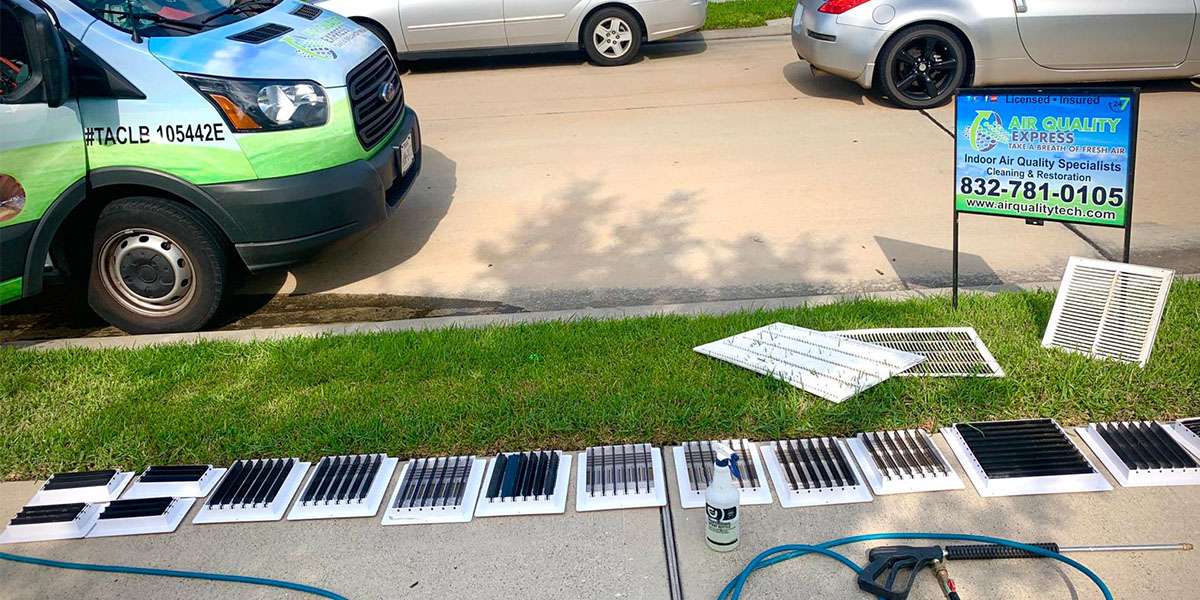
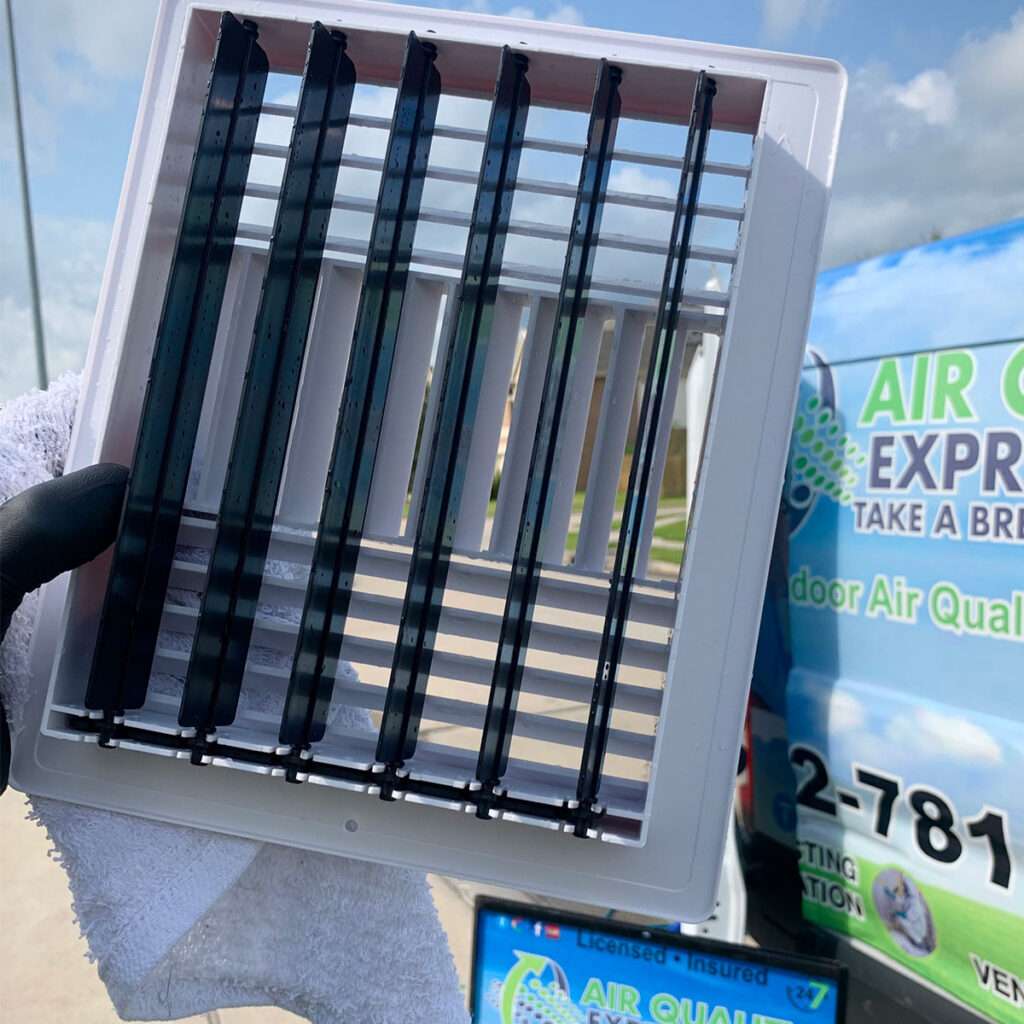
Supply vents and return registers are removed and cleaned to eliminate visible dust and debris at the air openings.
Supply and Return Duct Cleaning
Professional equipment is used to remove dust and debris from the ductwork. This helps reduce the amount of renovation dust that can continue circulating through the home.
Coil and Plenum Evaluation
The evaporator coil, supply plenum, and return plenum may need to be evaluated if dust reached deeper into the system. These areas are important because they affect airflow, odors, and overall system cleanliness.
Recommendations Based on What Is Actually Found
Some homes may only need duct cleaning. Others may need attic cleaning, insulation removal, mold inspection, HVAC mold removal, or air duct replacement. The right recommendation depends on the condition of the system.
Can You Clean Renovation Dust From Air Ducts Yourself?
Homeowners can handle basic post-renovation cleaning, but DIY cleaning usually cannot remove debris from deeper areas of the duct system.
What Homeowners Can Safely Clean
You can wipe vent covers, replace HVAC filters, vacuum around registers, mop floors, and dust surfaces. These steps are helpful after renovation and should be done before and after professional cleaning.
Why Household Vacuums Usually Are Not Enough
Most household vacuums are not designed to clean deep ductwork or HVAC components. They may remove surface debris near the vent opening, but they will not address dust collected throughout the system.
When Professional Equipment Is Needed
If dust is inside supply ducts, return ducts, plenums, coils, or blower areas, professional equipment and proper cleaning methods are usually needed.
Why DIY Cleaning May Miss Deeper Contamination
DIY cleaning often focuses on what is visible. Post-renovation dust problems are frequently hidden deeper inside the HVAC system, which is why an inspection is important.
How to Prevent Dust From Entering Air Ducts During Future Renovations
If you are planning another remodeling project, a few simple steps can help reduce the amount of dust that enters your HVAC system.
Cover Vents and Returns Before Work Begins
Seal supply vents and return grilles in the work area before sanding, cutting, or demolition begins. This helps prevent dust from being pulled into the duct system.
Replace HVAC Filters During and After Construction
Filters may clog quickly during renovation. Replace them during the project and again after the work is complete.
Avoid Running the HVAC System During Dust-Heavy Work
When possible, turn the HVAC system off during sanding, demolition, and cutting. This helps reduce how much dust is pulled into returns and redistributed through the home.
Seal Off Work Areas When Possible
Plastic sheeting, temporary barriers, and careful containment can reduce dust migration into the rest of the home.
Schedule Final HVAC Cleaning After the Project Is Complete
Once the renovation is finished, professional duct cleaning can help remove debris that entered the air system despite prevention efforts.
Post-Renovation Air Duct Cleaning Across Greater Houston
Air Quality Express provides post-renovation air duct cleaning and related indoor air quality services throughout the Houston area. Whether your remodel was in one room or throughout the entire home, the system should be inspected if dust, odor, or airflow problems continue after construction.
Service areas include The Woodlands, Spring, Conroe, Tomball, Magnolia, Cypress, Katy, Sugar Land, Richmond, Missouri City, League City, and Central Houston.
Schedule Air Duct Cleaning After Renovation in Houston
A home renovation should leave your space feeling fresh, clean, and comfortable. If dust keeps coming back after the work is complete, your HVAC system may need attention. Construction dust can settle inside ducts, vents, returns, coils, and other hidden areas, allowing debris to continue circulating through the home.
Air Quality Express provides professional air duct cleaning, HVAC mold removal, mold remediation, attic cleaning, insulation services, and indoor air quality services throughout the Houston area. Our team inspects the system, explains what we find, and recommends the service that makes sense for your home.
If you recently remodeled and your home still feels dusty, contact Air Quality Express to schedule post-renovation air duct cleaning. Visit the contact page to request service or learn more about available Houston indoor air quality services.