
Mold Inside the Air System
HVAC Mold Removal
The System
Spreads It
Why HVAC Mold Is Different
Mold inside an HVAC system does not stay contained. Once growth develops on coils, inside air handlers, or along internal components, every cycle of the system can move spores throughout the building. What may start as localized contamination can quickly become a distribution problem if the system continues operating. HVAC mold removal requires controlled containment and system-specific cleaning procedures. Surface cleaning at vents does not address contamination inside the unit itself. Our HVAC mold removal service focuses on isolating the system, removing affected components when necessary, and correcting the moisture conditions that allowed growth to occur. We provide HVAC mold removal across Houston with licensed remediation technicians who evaluate the entire air handling system before recommending corrective action.
Get A Quote today!
What It
Looks Like
When HVAC Mold Removal Is Necessary
When mold is inside the HVAC system, the signs often follow system operation. Musty air when the unit turns on. Recurring contamination around vents. Growth visible inside the air handler cabinet. Persistent indoor air concerns despite prior cleaning. These conditions usually indicate internal contamination or moisture buildup within the system. Condensation issues, clogged drain lines, or high humidity can create an environment where mold establishes itself on coils or insulation. Removal becomes necessary when contamination extends beyond surface dust and involves internal components of the HVAC system.
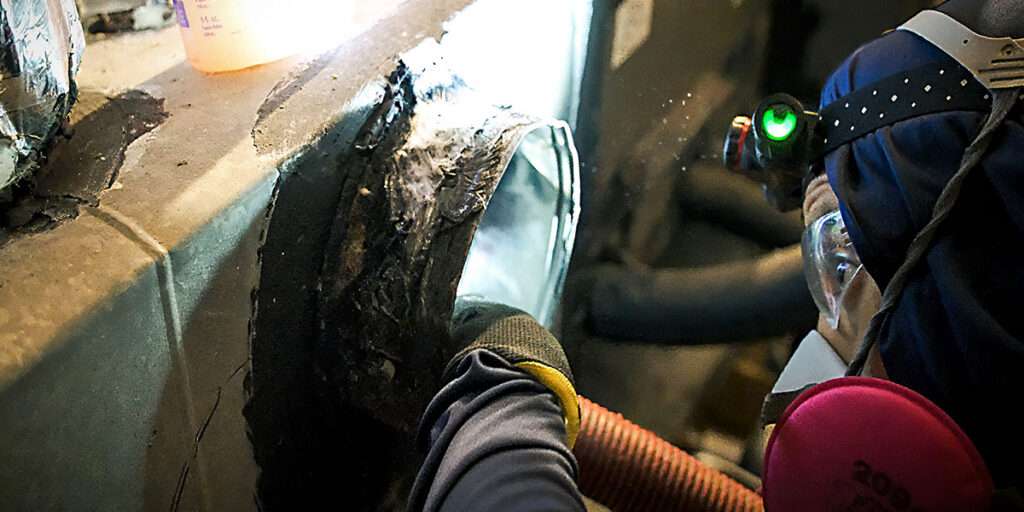
HVAC Mold Removal
When mold develops inside the air handling system, removal must address internal components, not just visible surfaces. Proper containment prevents spores from spreading during the process.
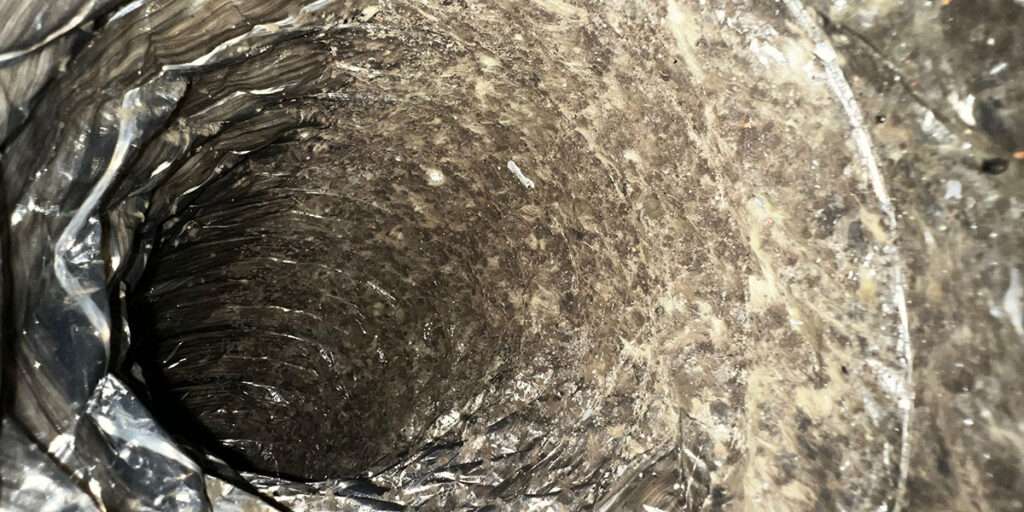
Air Handler and Coil Cleaning
Mold often forms on evaporator coils or inside air handler cabinets where condensation occurs. Targeted cleaning restores system hygiene.
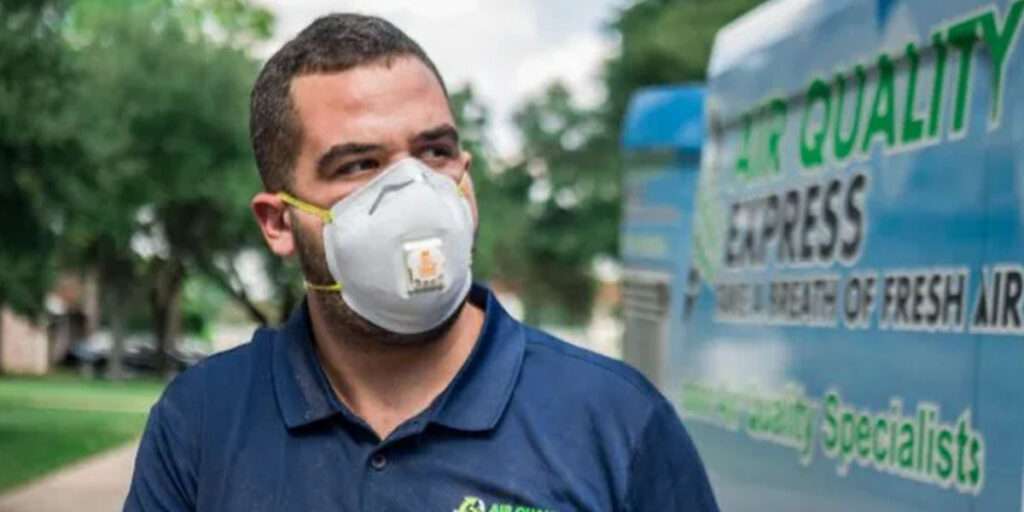
Contaminated Component Removal
Insulation, duct liners, or other materials inside the system that cannot be cleaned must be removed and replaced.
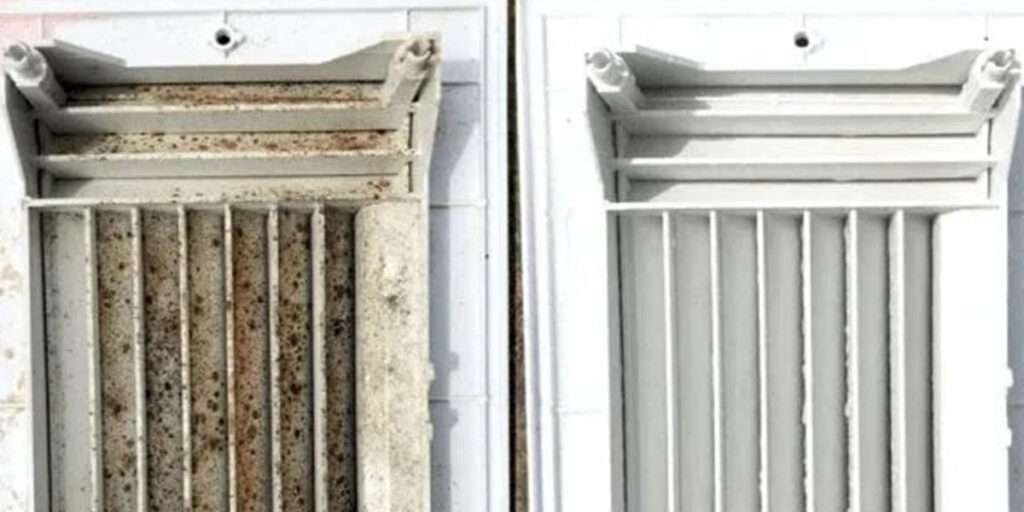
Moisture Source Correction
Removing mold without correcting condensation or drainage issues allows growth to return. Each service includes evaluation of moisture causes.
Quick Answers
Frequently Asked Questions About HVAC Mold Removal
Is HVAC mold removal different from general mold remediation?
Yes. HVAC systems require containment procedures and cleaning methods specific to mechanical equipment and airflow pathways.
Can mold inside the HVAC system affect the entire home?
Yes. When the system runs, it can distribute spores throughout connected rooms.
Do I need mold testing before HVAC mold removal?
Testing is required for certain regulated projects. In many HVAC cases where contamination is visible and limited, remediation can proceed without formal assessment.
Will the HVAC system need to be replaced?
Replacement is only necessary if components are structurally damaged or contaminated beyond cleaning.
HVAC Mold Removal
Removes contamination from internal HVAC components and airflow pathways.
- Containment of the air handling system
- Cleaning of coils and internal surfaces
- Removal of contaminated insulation or liners
System Deep Clean
Focuses on areas where condensation and moisture commonly accumulate.
- Coil and cabinet cleaning
- Drainage inspection
- Moisture condition evaluation
Parts Upgrade
Some materials inside the system cannot be safely cleaned.
- Removal of contaminated liners
- Replacement of affected sections
- Restoration of system integrity
Inspection Advice
Every removal begins with a full system evaluation.
- On-site assessment
- Clear explanation of findings
- Recommendations based on contamination level