
Start With the Remediation Expert
Mold Inspection
Mold Reality Check
Understand Your Options
When homeowners search for mold inspection, what they really want is clarity. They want to know whether the problem is real, how serious it is, and what needs to happen next. In Texas, that process involves two different licenses. A Mold Assessment Consultant performs formal testing and writes protocols for regulated jobs. A Mold Remediation Company performs the actual containment, removal, and cleaning. We are licensed as a Mold Remediation Company, which means we are the company that fixes the problem. In many situations, the smartest first step is not testing. It is having a licensed remediation company evaluate what is actually happening. We inspect the conditions, identify likely moisture sources, and explain whether testing is required, optional, or unnecessary. Our focus is helping you take the correct next step, not sending you down a more expensive path than you need.
Get A Quote today!
When Mold
Inspection Matters
Testing Sometimes Not Always
Some mold situations require formal assessment and testing. Others do not. If mold covers a larger regulated area, insurance is involved, or clearance documentation is required, a Mold Assessment Consultant must perform testing and write a protocol before remediation begins. That is Texas law. But many real-world situations are more straightforward. HVAC mold removal, isolated drywall tear-outs, visible growth from a known leak. In these cases, the source and solution are often clear. Testing may confirm what is already obvious, but it does not change what needs to be done. The key is understanding which category your situation falls into before you spend money in the wrong order.
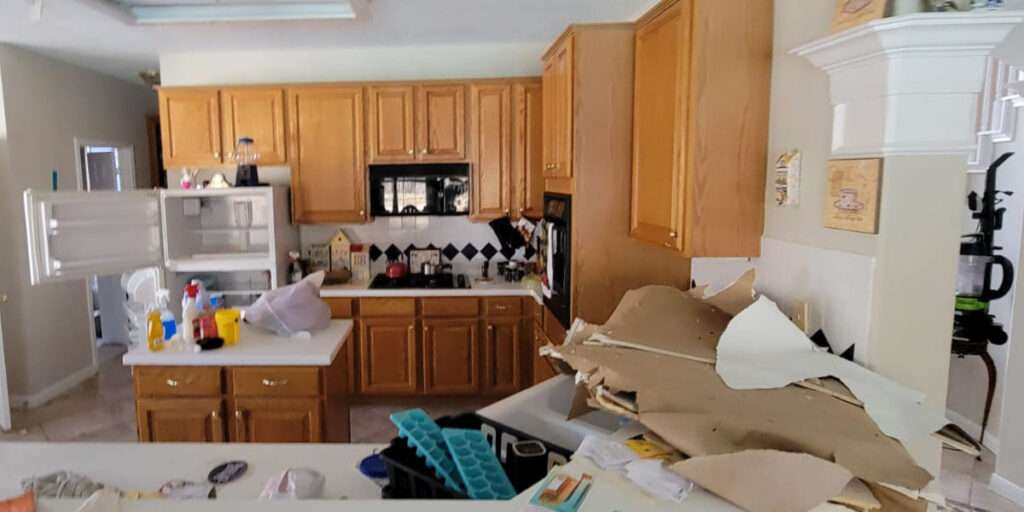
Initial Mold Evaluation
We evaluate visible mold growth, moisture sources, and affected materials to determine what type of response is appropriate.
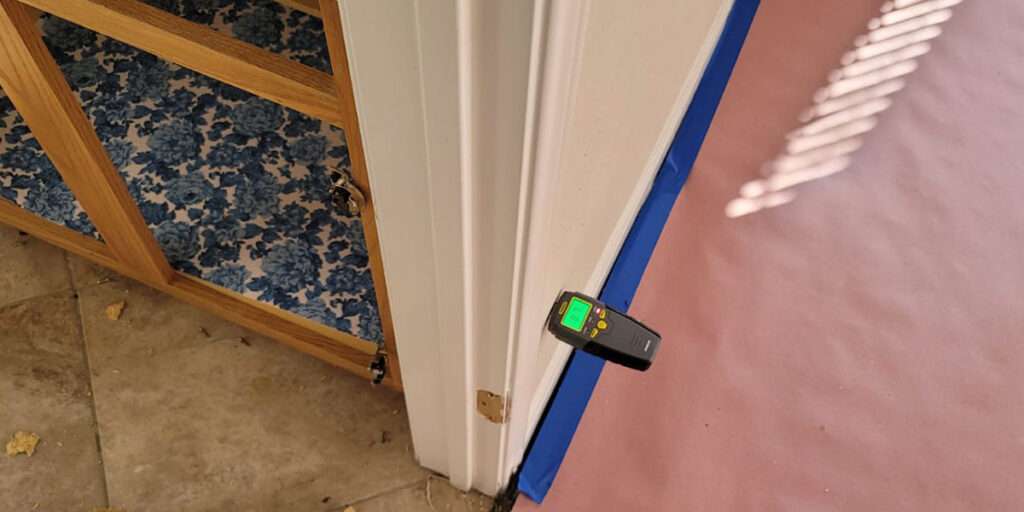
Guidance on Mold Testing
We explain when formal testing by a Mold Assessment Consultant is legally required and when it may not provide additional value.
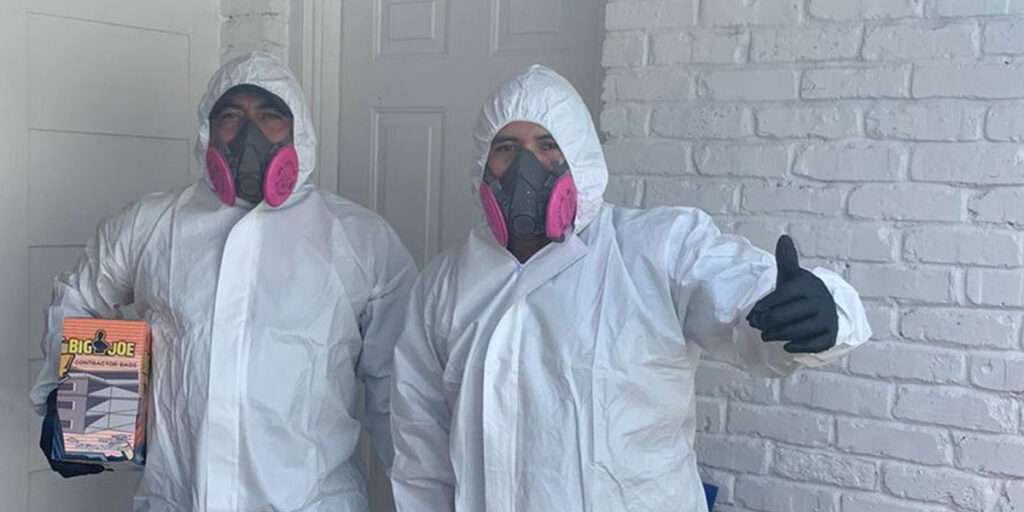
Protocol Coordination
If a regulated job requires a written protocol, we can coordinate with a licensed Mold Assessment Consultant to ensure remediation follows the required steps.
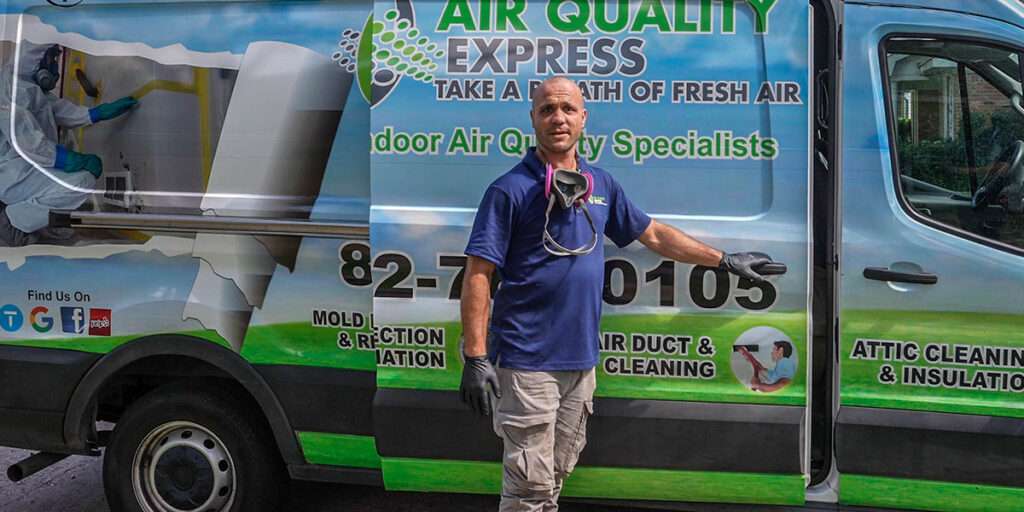
Clear Next Steps
Every inspection ends with a clear explanation of what needs to happen next, whether that involves remediation, testing, or simple moisture correction.
Quick Answers
Frequently Asked Questions About Mold Inspection
Do you perform mold testing?
No. In Texas, mold testing and protocol writing must be performed by a licensed Mold Assessment Consultant. We are licensed as a Mold Remediation Company, which means we perform the remediation work itself.
Should I start with testing or remediation?
In many cases, starting with a licensed remediation company helps determine whether testing is necessary at all. Some situations require formal testing. Others do not.
What is a mold protocol?
A protocol is a written document created by a Mold Assessment Consultant outlining how remediation must be performed on larger regulated jobs.
Can mold be removed without testing?
Yes, in many common residential situations where the source and extent of mold are clearly visible, remediation can proceed without formal testing.
Mold Remediation
When mold is confirmed, remediation removes contaminated materials and corrects the moisture conditions that allowed growth.
- Licensed containment and removal
- Moisture source correction
- Post-remediation cleaning
Consultant Support
For regulated projects, we work alongside licensed Mold Assessment Consultants to follow written protocols.
- Compliance with Texas mold regulations
- Proper documentation
- Clearance testing coordination
HVAC Mold Situations
Mold inside duct systems often does not require separate testing when contamination is clearly visible.
- Removal of contaminated components
- System-level moisture correction
- Prevention of recurring growth
Mold Cleaning
Isolated drywall or surface growth often does not require formal assessment before remediation.
- Targeted containment
- Controlled removal
- Safe disposal and cleanup