After a decade of mold and water damage work across Houston, we can tell you the single factor that decides whether a homeowner spends a few hundred dollars or tens of thousands isn’t luck, and it isn’t the size of the leak. It’s speed.
Here’s what every Houston homeowner should understand about how these problems actually unfold, and why the right move is almost always to get a professional on it fast.
Speed Is Everything After Water Gets In
Imagine you have a pipe leak in your attic, and it drips down onto your hardwood floors.
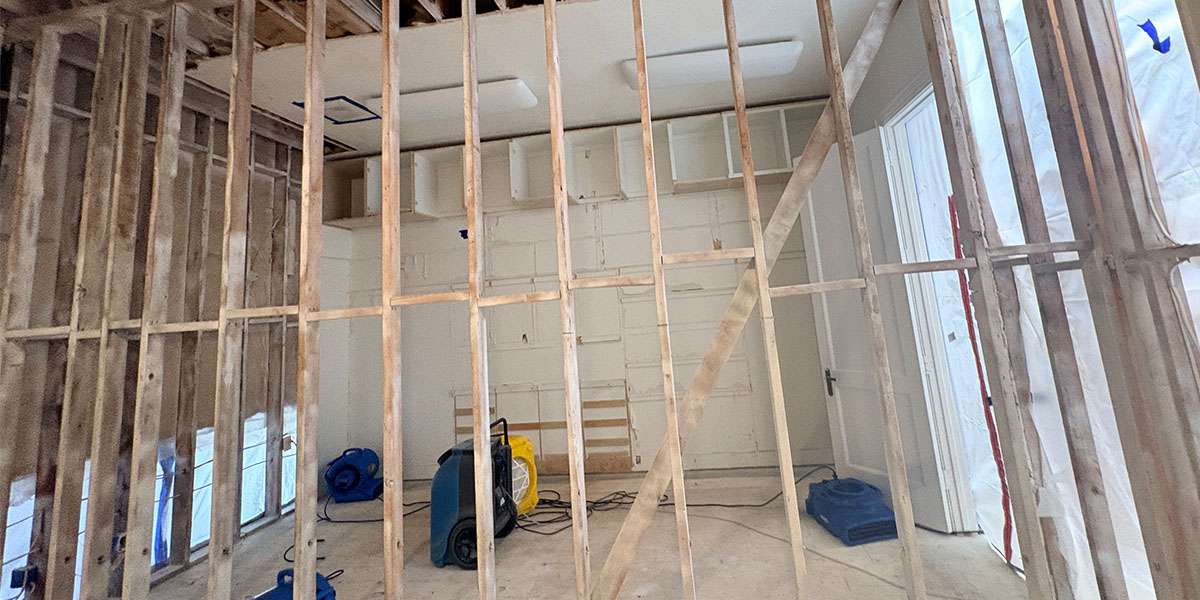
Version one: you catch the drip in the morning, towel it up as best you can, pull the box fans out of the closet and get them going, and you call a water damage restoration company right away. They come out, check the moisture, and set up a drying mat, dehumidifiers, and fans to pull the water back out of the material. Everything dries, your hardwood floors are intact, and the bill lands somewhere around $2,200.
Version two: the leak sits. Maybe you don’t see it, maybe you’re out of town, maybe you figure it’s no big deal and you’ll get to it later. Now the water works its way under the floorboards, and two things happen. The glue holding those boards separates, so they have to come out. And because hardwood usually runs continuous from room to room and is hard to match, you can’t just swap a section. You end up ripping out and rebuilding the whole floor.
That’s the expensive problem, but it isn’t the worst one. If the material stays wet for more than about three days, mold may be growing.
The EPA actually publishes a standard for this (Table 1 and Table 2 in its mold remediation guidance), and every licensed remediator in Texas has to know it. The short version: for roughly the first 24 to 48 hours, most wet materials can be saved with mechanical drying, HEPA vacuuming, and dehumidification. After about 48 hours, the standard shifts to removing and discarding the material instead. That’s when costs spike, because demolition always drags the rebuild along with it, and it’s the same window where mold starts growing and hurting your air. Wait too long and you get hit twice: a bigger bill and worse indoor air quality.
So the moment you find water, do two things at once: start drying, and call a professional. With water damage, the clock runs in hours, not days.
Bathrooms: The Number One Place We Find Mold
If we had to bet on where mold is hiding in a typical Houston home, we’d say the bathroom, and it’s usually a humidity problem driven by the shower.
We worked on one project, a large, nicely finished bathroom that was actually decently ventilated. But it had a tall arched dome ceiling over a walk-in shower, and as the steam escaped the shower through a small opening, it rose straight up and collected in that dome. There was a chandelier hanging in the middle of it. By the time the moisture problem showed itself, protecting the fixtures and demoing that ceiling cost the homeowner a lot of money. If the fan had been run after every shower and the door left open to let the room breathe, they likely would have avoided the whole thing.
A few simple habits go a long way: run the exhaust fan during and for an hour or two after every shower, and leave the door cracked so the room can dry. Just make sure the fan is actually moving air. Plenty of bathroom fans make noise while barely venting anything, and that’s not something that gets caught on a typical home inspection.
If you already see discoloration or catch that musty smell, don’t paint over it or wait. Get a professional mold inspection so you know what you’re dealing with before it spreads.
Your HVAC and Ducts: The Hidden Spreader
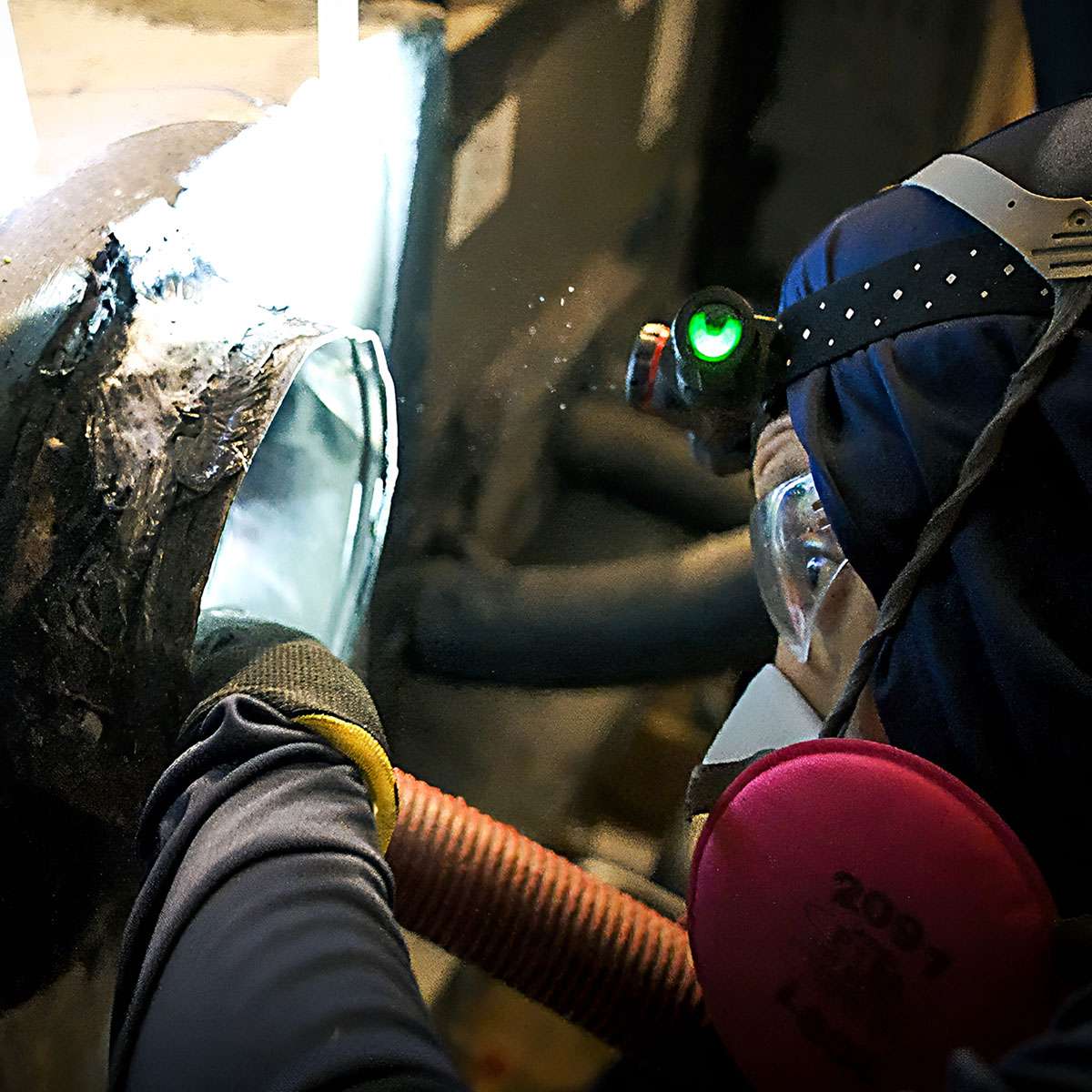
Here’s the part most people never think about. In a normal mold job, the mold is sitting behind the sheetrock, on the framing and studs. That’s bad enough to breathe. But picture those same spores not just sitting there, but getting pulled into your air conditioning and blown through the blower, down the ducts, and out every register in the house. Now it’s in the air in every room.
So how does an HVAC system end up growing mold in the first place? Houston attics get extraordinarily hot, 140 to 150 degrees in the summer. Your evaporator coil runs cold to pull heat and moisture out of the air, and the byproduct of that process is water. If the unit and the ductwork aren’t sealed up properly, that hot, humid attic air sneaks in, meets the cold coil, and condenses. Add the dust and organic material already in the system and you have everything mold needs. From there it travels down the ducts, and the spores settle on the registers. By the time you can see it at the vents, it has usually been circulating for a while.
That’s why staying ahead of it matters: regular air duct cleaning and sanitation, and making sure the system is properly sealed so attic air isn’t feeding moisture into it. When mold has already taken hold in the system, that’s a job for HVAC mold removal, not a filter change.
Why This Is a Job for a Professional, Not a Weekend Project
It’s tempting to look up a quick fix online and try to handle this yourself. We’d steer you away from that, and not because we want the work. Done wrong, these jobs cost more than if you’d called someone in the first place.
Properly sealing the plenum to the coil and the ducts to the plenum, installing a UV-C light at the coil so it actually does its job, and cleaning and sanitizing the full system all take the right tools, real access to the equipment, and training. Get it wrong and you can damage the unit, void a manufacturer warranty, or, most commonly, miss the actual moisture source so the mold comes right back in a few months. And with water damage, a professional knows the EPA and Texas standards for what can be saved versus what has to be removed, which is the exact decision that controls your final bill.
Air Quality Express is NADCA certified and a Texas-licensed Mold Remediation Contractor (TDLR #RCO1553), and we’ve been doing this across greater Houston for ten years. When it matters, bring in someone who does it every day.
The Bottom Line
Your home’s air is one connected system: the ducts carry it, the AC moves and dries it, and moisture is the variable that turns into mold when nobody is watching it. Stay ahead of the moisture and you prevent most problems before they start.
A simple Houston rhythm keeps you out of trouble: have your ducts cleaned every three to five years, keep indoor humidity in the 40 to 60% range (the low 50s or below is the safe zone), run your bathroom fans, and the moment water shows up, act in hours and call a pro.
Help Across Greater Houston
Air Quality Express serves homeowners across Greater Houston, including The Woodlands, Spring, Kingwood and Humble, Cypress, Katy, Sugar Land, Pearland, and Central Houston. If water or mold has shown up in your home, the fastest path is a call today.
If you’re dealing with any of this right now, contact us and we’ll get someone out fast. We’re here seven days a week.